• CZ
  • Rešení
    • Fire protection curtains

      Fire protection curtains

      Fire protection curtains are seal openings in walls and ceilings in case of fire. The constructional set-up (rolling- or folding technology) and the use of different fabrics offer a wide application spectrum as well as different protection targets or classifications and time classes. Casings and side guides of those flexible applicable systems are integrated almost invisibly in the building and provide much scope for design of sophisticated architecture for opened designs.

    • Conveyor system closures

      Conveyor system closures

      Manifold production - and logisitc processes require different construction types of conveying systems. If the haulage drifts are passing through fire-retarding resp. fire-resisting walls or ceilings, the necessary openings must be provided with fire protection closures to avoid the expansion of the fire by conveyor technique or by conveyed material. In case of fire the conveyor system closures have to seal those openings immediately and automatically. Thereby a classified fire resistance as well as the smoothly clearing of the closing area must be respected in case of release.

    • Smoke curtains

      Smoke curtains

      A smoke curtain is part of unit keeping areas free from smoke and may include building parts like natural smoke and heat venting systems and automatic smoke and heat venting systems. Smoke curtains restrict the movement of fire gases inside a building in case of fire.

    • Smoke protection closures

      Smoke protection closures

      In closed condition smoke protection closures restrict the passage of smoke in the phase of fire formation so as to enable the rescue of people, animals or materials assets in case of a fire in the room positioned behind it without the need of breathing protection.

    • Tube sealings

      Tube sealings

      The solution to problems with fire protection dampers for ventilation and air conditioning systems in conveying processes. Stöbich offers fire protection for pneumatic conveying lines where the closing elements are not exposed to the flow. Thus, damage or contamination of the closure element is avoided by abrasive conveyed goods.

    • Controls

      Controls

      Control systems are necessary for all automatic fire protection systems! They are safety-relevant, because without their function or in the event of a malfunction, the entire investment of a fire protection partition would be useless. Controllers coordinate both fire detection and the interaction with other controls, like superordinate building control or the retraction of the closing area at conveyor closing area.

    • Médiathèque Charles Nègre | Grasse, France

      Médiathèque Charles Nègre | Grasse, France

      The Médiathèque Charles Nègre in Grasse, France, is an impressive example of contemporary architecture that reflects the cultural and historical importance of the region. The information center with space for education, culture and encounters was opened in 2011 and designed by the renowned French architecture firm Marc Barani. The building combines modern aesthetics with the traditional architecture of Provence, creating a harmonious link between old and new, for example by combining modern materials such as glass and steel with local natural stone. The generous window fronts create an atmosphere flooded with light. Ecological sustainability is achieved through natural ventilation and the resulting reduction in energy consumption; green spaces are also integrated on various levels. Our <a href="/us/solutions/fire-protection-curtains/stoebich-fire-smoke-curtain-hc"><b>➥ horizontal Fire and smoke curtain hc</b></a> fire protection curtains fit perfectly into this marvel of contemporary architecture. They securely close the ceiling openings in the event of a fire, but otherwise remain invisible and let in plenty of light and air. Copyright attribution: © Ivry Serres

  • Pověření
  • Tematické světy
  • Světový lídr
  • Udržitelnost
  • Zprávy
  • Kontakt
Kaiser-Friedrich-Forschungspreis

STÖBICH uděluje v Hannoveru Cenu císaře Friedricha za výzkum

STÖBICH uděluje v Hannoveru Cenu císaře Friedricha za výzkum

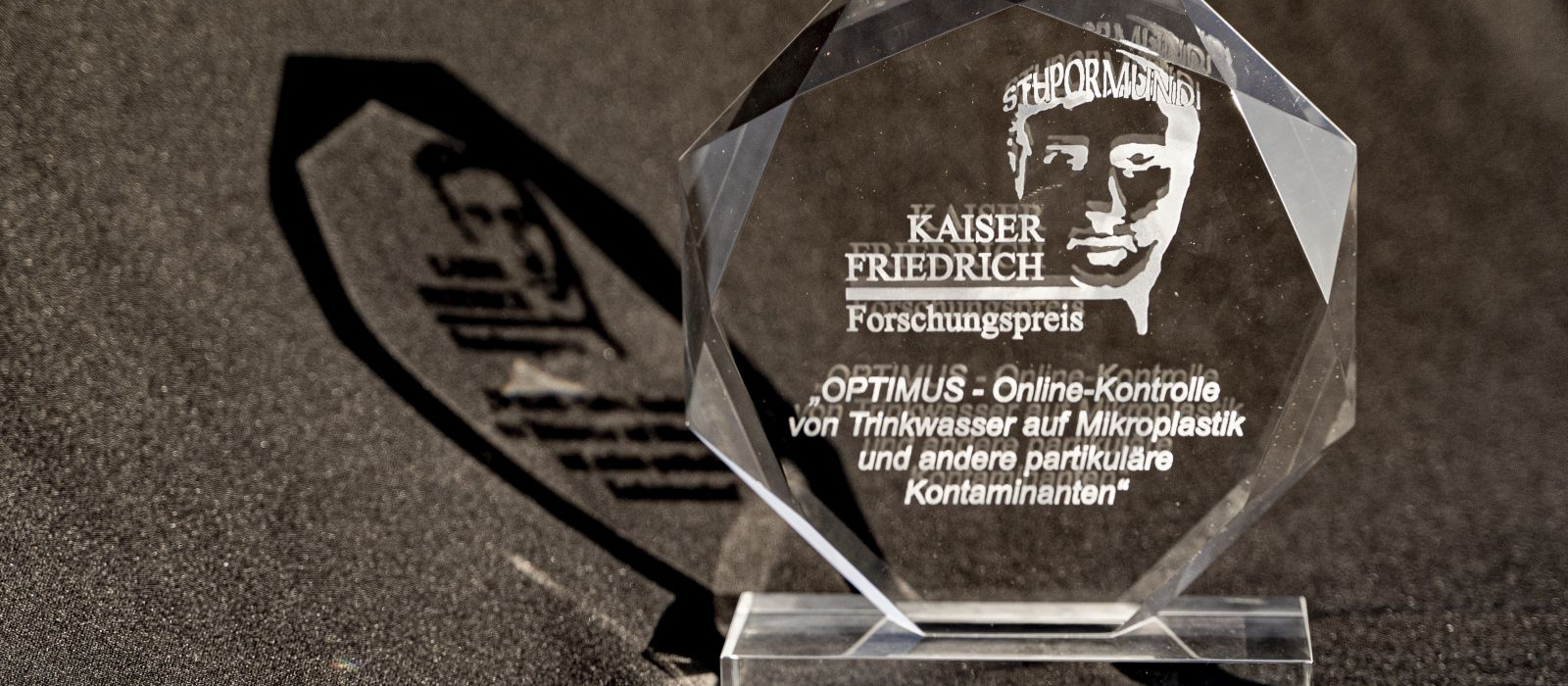
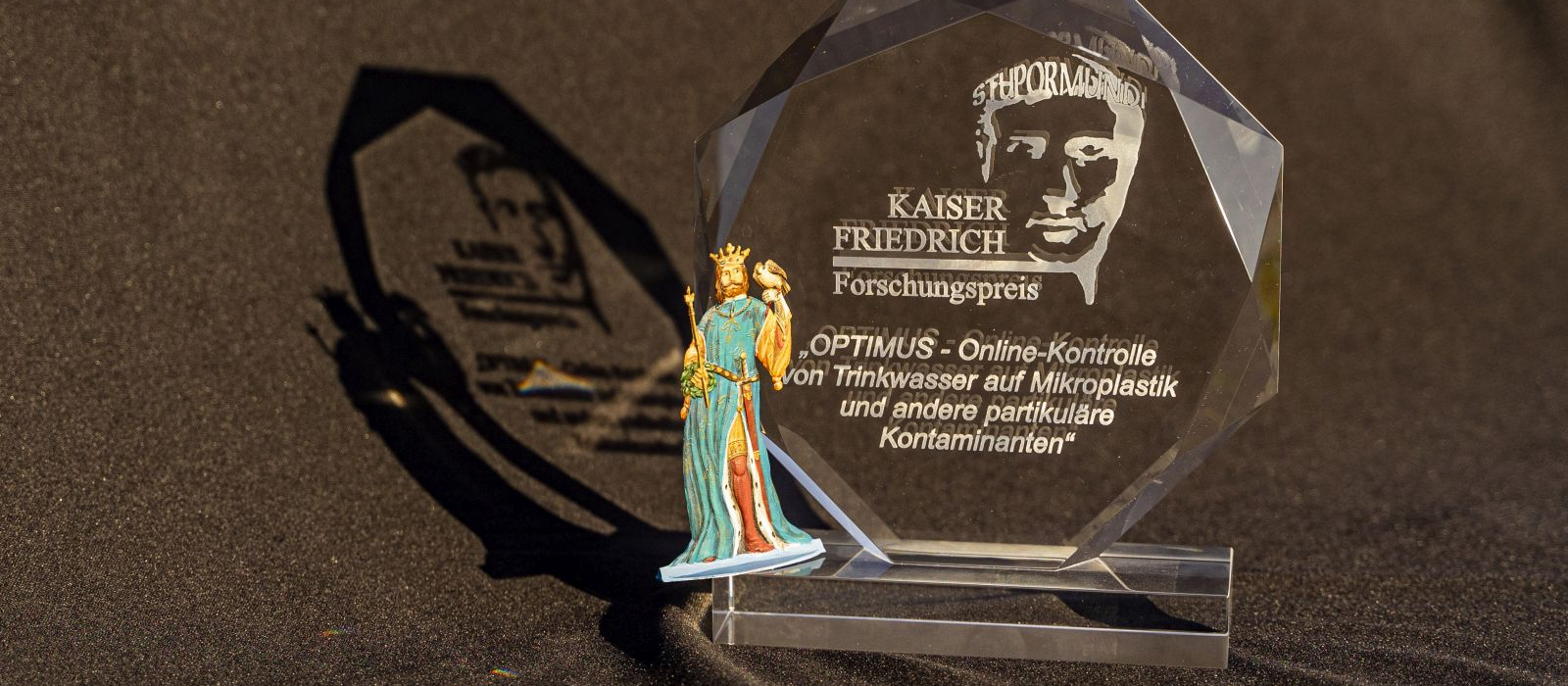
Společnost STÖBICH každé dva roky uděluje ceny inovativním výzkumným projektům v oblasti optických technologií. Cenu Kaisera Friedricha za výzkum letos získal tým OPTIMUS z Leibniz Universität Hannover za vynikající výsledky v oblasti ochrany životního prostředí a klimatu.

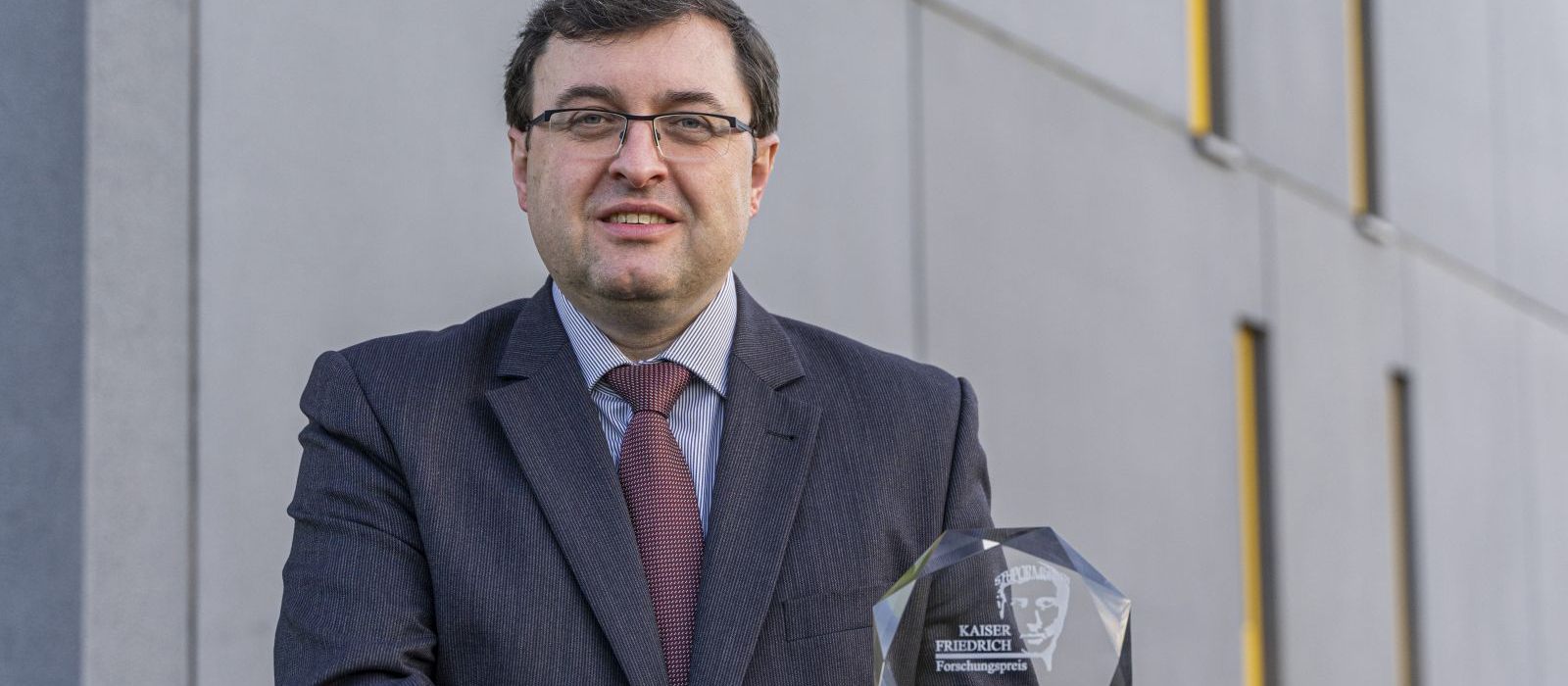
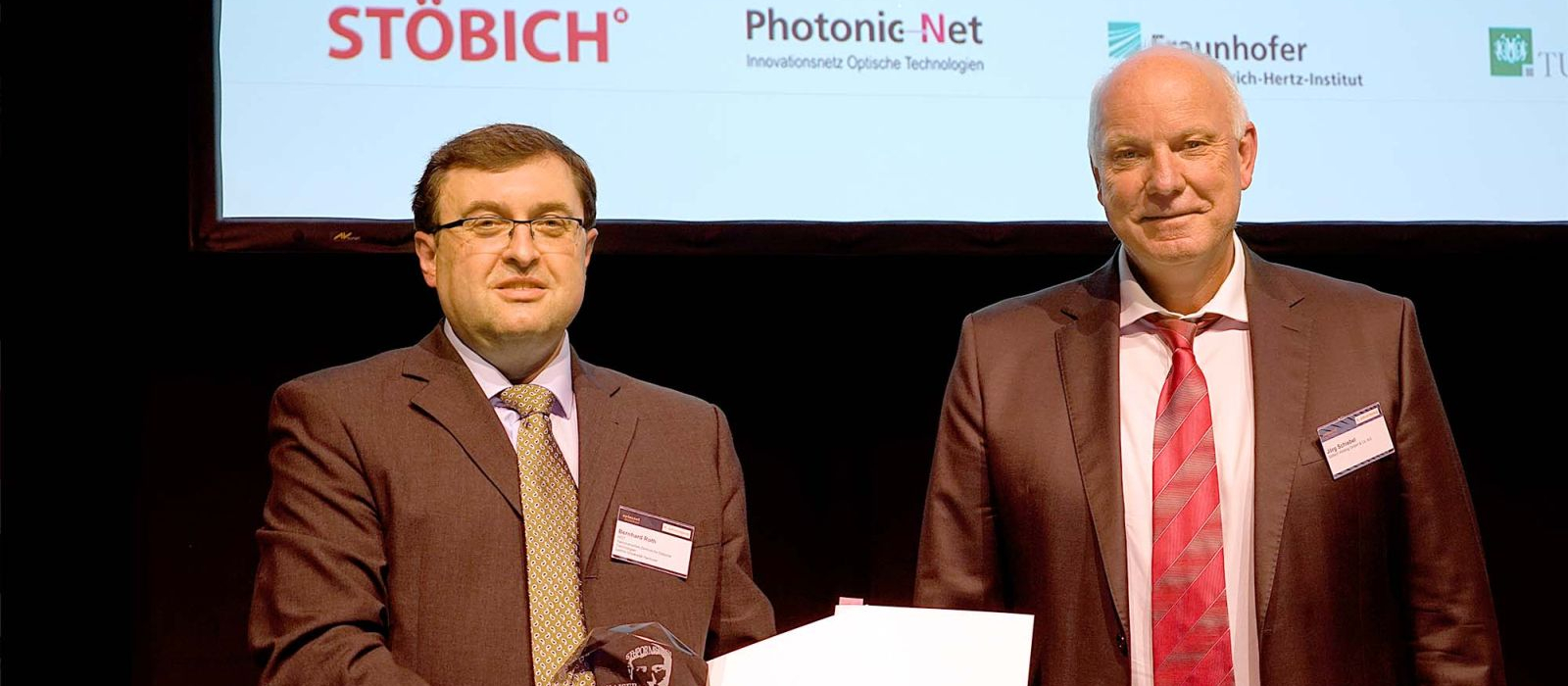
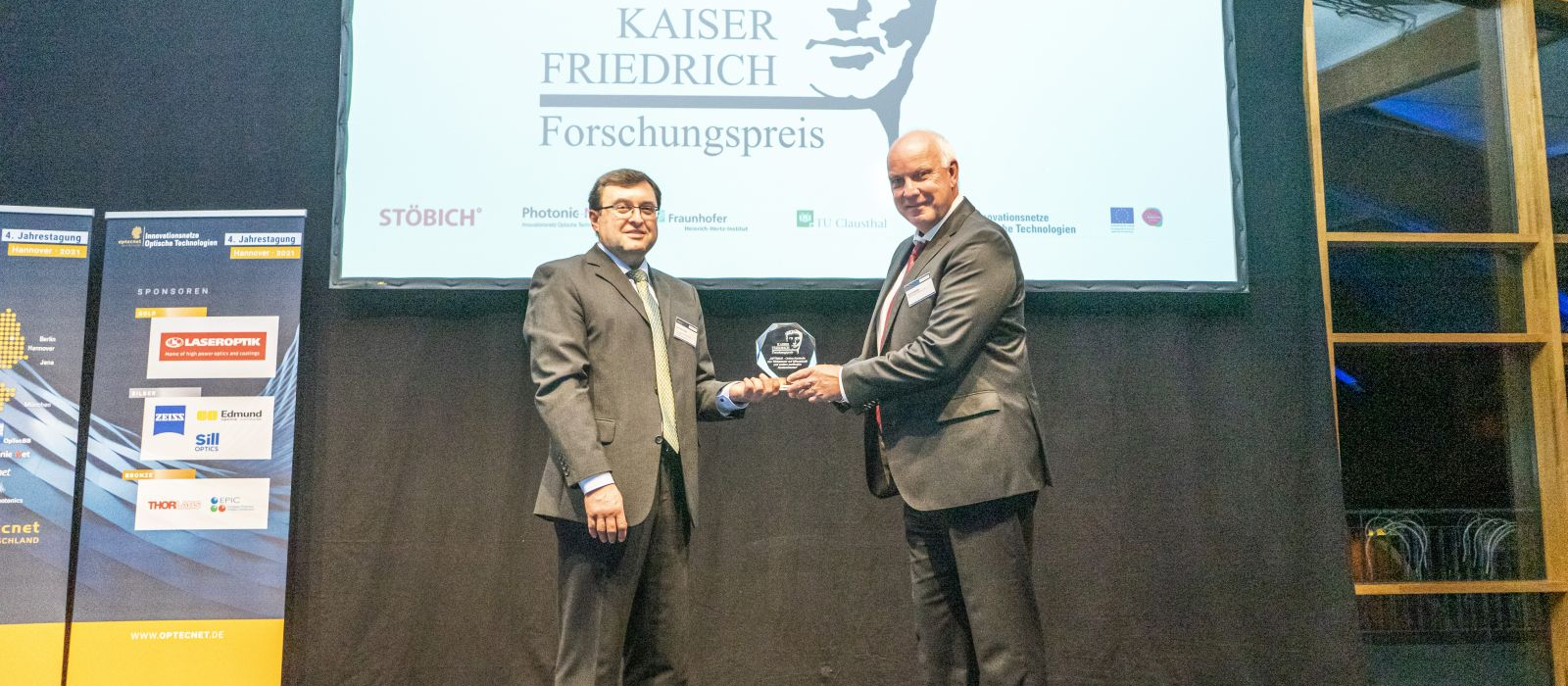
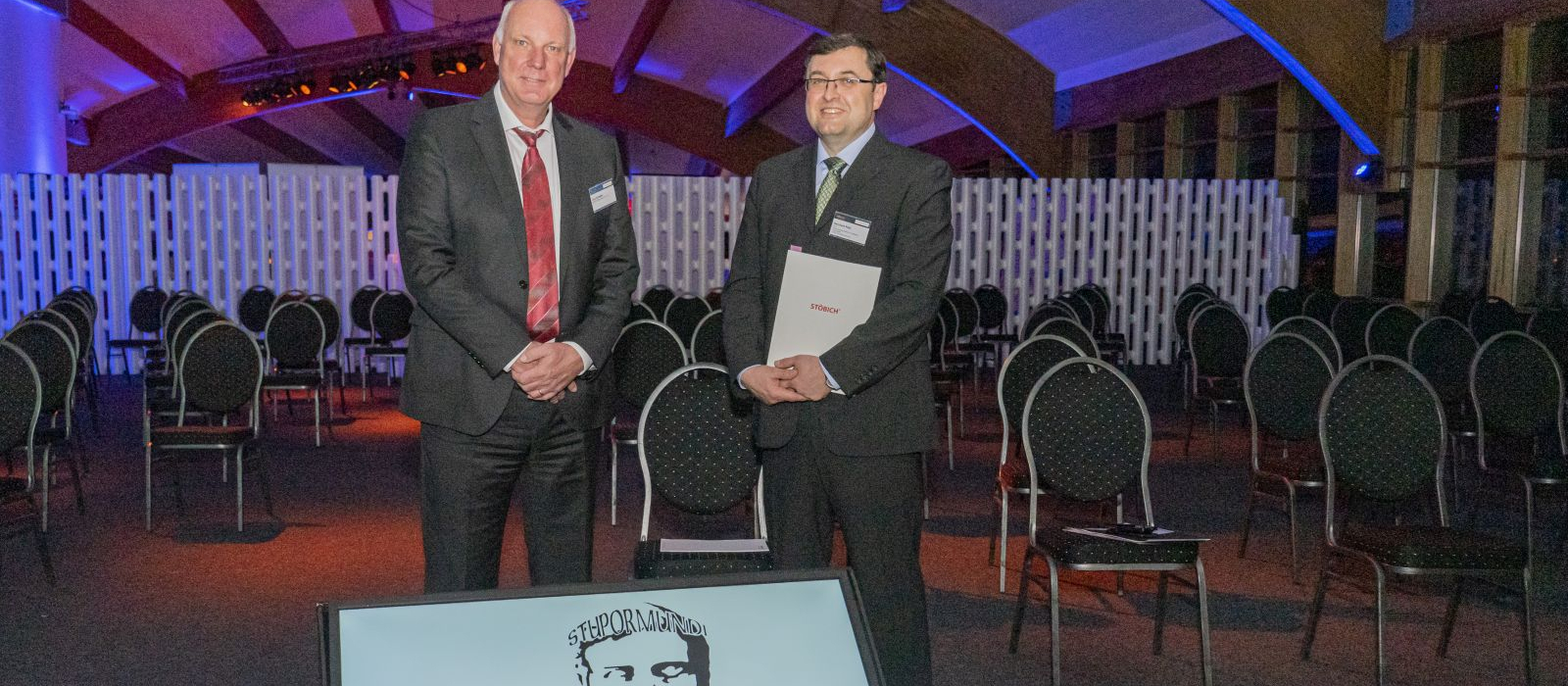
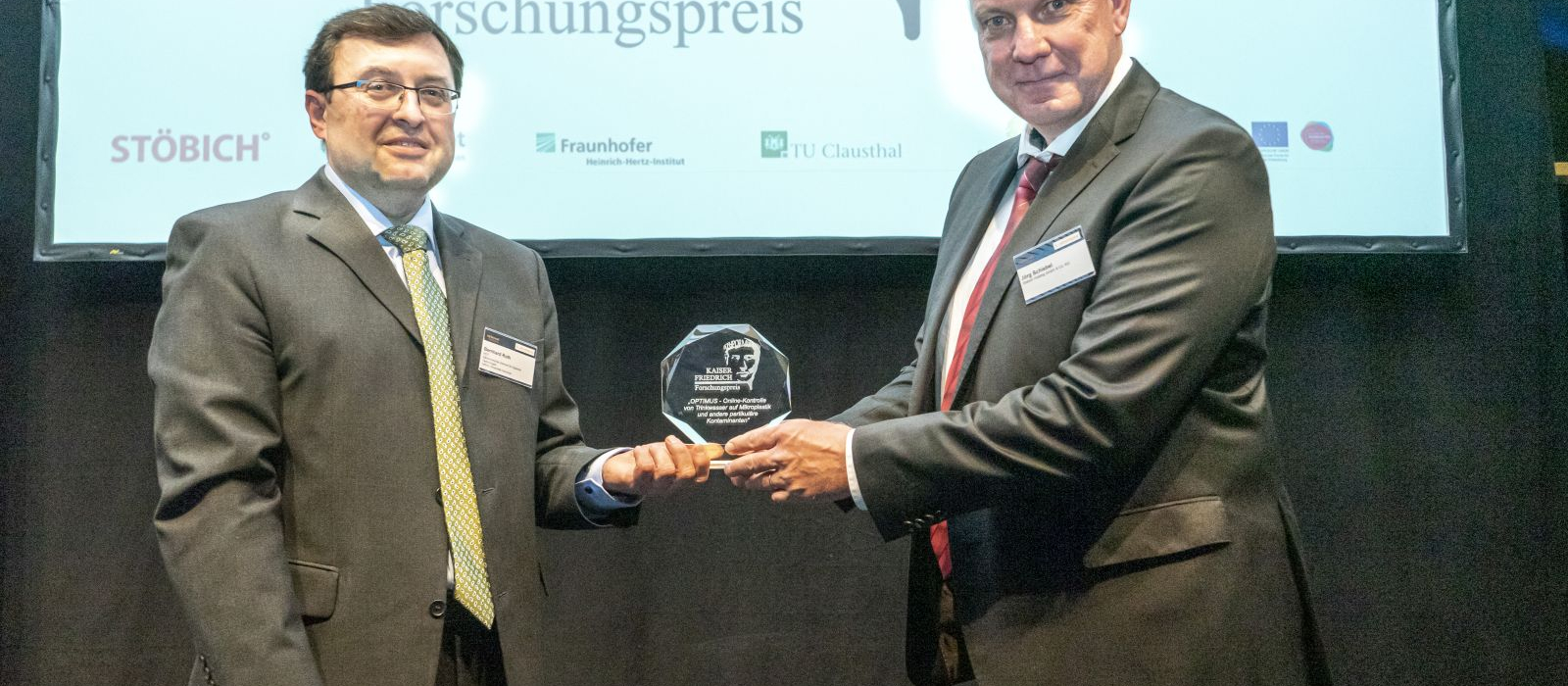
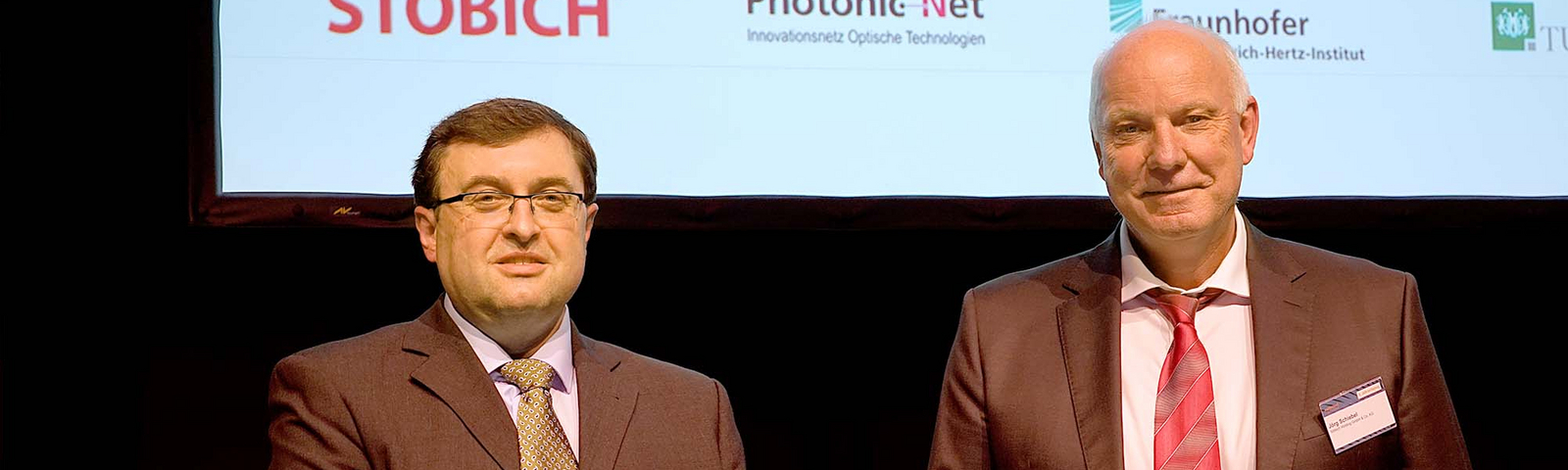
Poděkování za vynikající výsledky v oblasti ochrany životního prostředí a klimatu obdržel tým OPTIMUS z Leibniz Universität Hannover. Prof. Bernhard Roth, člen klastru excelence PhoenixD na Leibniz Universität Hannover, převzal cenu za výzkum ve výši 15 000 eur s patrnou hrdostí, a to i jménem své kolegyně Dr. Ann-Kathrin Kniggendorf, která se akce nemohla zúčastnit. Slavnostní předávání cen, které se jinak tradičně koná v Kaiserpfalz Goslar, bylo již dvakrát odloženo a nyní se konalo v rámci 4. výroční konference OptecNet na Expowalu v Hannoveru. Jörg Schiebel, generální ředitel skupiny STÖBICH, předal 24. listopadu 2021 ve slavnostní atmosféře prestižní trofej: Zakladatel společnosti a hybatel inovací Dr.-Ing. Jochen Stöbich, který na jaře zemřel, tehdy inicioval udělení Ceny Kaisera Friedricha za výzkum.

Skutečnost, že slavnostní předávání cen muselo být kvůli pandemii o rok odloženo, nijak nesnižuje vynikající výsledky oceněných vědců. Tým vedený Dr. Ann-Kathrin Kniggendorfovou a Prof. Bernhardem Rothem z Hannoverského centra pro optické technologie (HOT) vyvinul metodu, která pomocí optických technologií detekuje mikroplasty ve vodě. Částice plastů, z nichž některé jsou mikroskopické, se různými způsoby dostávají do životního prostředí, pitné vody a potravin, a nakonec tak končí v našem těle. Detekce a eliminace těchto nežádoucích částic má proto vysokou prioritu i pro společnost - a právě zde přichází na řadu projekt OPTIMUS, financovaný Spolkovým ministerstvem pro vzdělávání a výzkum.
Tam, kde bylo dříve nutné složitě odebírat vzorky, mobilní měřicí systém pomocí laserového světla během několika milisekund určí, jak silně je voda znečištěna tím kterým typem mikroplastů. Díky tomu lze nejen účinněji zabránit možnému poškození zdraví, ale také přesněji určit příčinu kontaminace a v nejlepším případě ji rychle odstranit. Díky tomu je OPTIMUS "skutečnou novinkou v oboru, protože v současné době lze taková vyšetření provádět pouze pomocí nákladných analytických postupů v laboratoři," říká Roth. "Systém pracuje s čistě optickými měřicími metodami," vysvětluje Dr. Ann-Kathrin Kniggendorf, vedoucí skupiny HOT v oblasti analýzy životního prostředí. "

Geniální nápad, který by se jistě líbil i zakladateli naší společnosti, Dr. Jochenu Stöbichovi. Byl přesvědčen, že světlo jako nástroj má zvláštní význam jako průřezová technologie a důležitý klíč k inovacím v mnoha průmyslových odvětvích.

Blahopřejeme výzkumné skupině k tomuto významnému vynálezu, který je zároveň udržitelným příspěvkem k ochraně přírody a kvalitě života nás všech. Další informace jsou k dispozici zde: https://www.phoenixd.uni-hannover.de/.