• CZ
  • Rešení
    • Fire protection curtains

      Fire protection curtains

      Fire protection curtains are seal openings in walls and ceilings in case of fire. The constructional set-up (rolling- or folding technology) and the use of different fabrics offer a wide application spectrum as well as different protection targets or classifications and time classes. Casings and side guides of those flexible applicable systems are integrated almost invisibly in the building and provide much scope for design of sophisticated architecture for opened designs.

    • Conveyor system closures

      Conveyor system closures

      Manifold production - and logisitc processes require different construction types of conveying systems. If the haulage drifts are passing through fire-retarding resp. fire-resisting walls or ceilings, the necessary openings must be provided with fire protection closures to avoid the expansion of the fire by conveyor technique or by conveyed material. In case of fire the conveyor system closures have to seal those openings immediately and automatically. Thereby a classified fire resistance as well as the smoothly clearing of the closing area must be respected in case of release.

    • Smoke curtains

      Smoke curtains

      A smoke curtain is part of unit keeping areas free from smoke and may include building parts like natural smoke and heat venting systems and automatic smoke and heat venting systems. Smoke curtains restrict the movement of fire gases inside a building in case of fire.

    • Smoke protection closures

      Smoke protection closures

      In closed condition smoke protection closures restrict the passage of smoke in the phase of fire formation so as to enable the rescue of people, animals or materials assets in case of a fire in the room positioned behind it without the need of breathing protection.

    • Tube sealings

      Tube sealings

      The solution to problems with fire protection dampers for ventilation and air conditioning systems in conveying processes. Stöbich offers fire protection for pneumatic conveying lines where the closing elements are not exposed to the flow. Thus, damage or contamination of the closure element is avoided by abrasive conveyed goods.

    • Controls

      Controls

      Control systems are necessary for all automatic fire protection systems! They are safety-relevant, because without their function or in the event of a malfunction, the entire investment of a fire protection partition would be useless. Controllers coordinate both fire detection and the interaction with other controls, like superordinate building control or the retraction of the closing area at conveyor closing area.

    • Médiathèque Charles Nègre | Grasse, France

      Médiathèque Charles Nègre | Grasse, France

      The Médiathèque Charles Nègre in Grasse, France, is an impressive example of contemporary architecture that reflects the cultural and historical importance of the region. The information center with space for education, culture and encounters was opened in 2011 and designed by the renowned French architecture firm Marc Barani. The building combines modern aesthetics with the traditional architecture of Provence, creating a harmonious link between old and new, for example by combining modern materials such as glass and steel with local natural stone. The generous window fronts create an atmosphere flooded with light. Ecological sustainability is achieved through natural ventilation and the resulting reduction in energy consumption; green spaces are also integrated on various levels. Our <a href="/us/solutions/fire-protection-curtains/stoebich-fire-smoke-curtain-hc"><b>➥ horizontal Fire and smoke curtain hc</b></a> fire protection curtains fit perfectly into this marvel of contemporary architecture. They securely close the ceiling openings in the event of a fire, but otherwise remain invisible and let in plenty of light and air. Copyright attribution: © Ivry Serres

  • Pověření
  • Tematické světy
  • Světový lídr
  • Udržitelnost
  • Zprávy
  • Kontakt
Požární ochrana pro elektrické dopravní prostředky

Požární ochrana pro elektrické dopravní prostředky

Nebezpečí požáru u lithiových baterií

Nebezpečí požáru u lithiových baterií

Požární ochrana pro elektrické dopravní prostředky

Do roku 2020 by měl být podle německé vlády na německých silnicích milion elektrických automobilů. Jsou tiché, účinné, neprodukují žádné výfukové plyny a nabízejí alternativu šetrnou k životnímu prostředí v porovnání s konečným ropným palivem. V používaných lithiových bateriích se ukrývá rizikový potenciál, který není radno podceňovat.

Milion elektrických automobilů do roku 2020. Cíl, který lze považovat za výzvu, vzhledem k tomu, že v současnosti se odhaduje asi 25 500 elektrickýh automobilů (Zdroj: Statista 2016). Počet hybridních vozidel, která jsou vybavena kombinací elektrického a spalovacího motoru, je již značně vyšší, a to přibližně 130 400 (Zdroj: Statista 2016). Oba typy vozidel mají jednu společnou věc, používají integrované úložné zařízení pro elektrickou energii. K tomuto účelu se obvykle používají lithiové baterie. Ale nebezpečí použití těchto baterií je vysoké!

Gefahrenquellen

Im Fall eines Defektes bzw. einer Beschädigung der Lithium-Batterien kann es sehr schnell zu einem Brand kommen, der auf herkömmliche Weise kaum löschbar ist. Die Ursachen können unterschiedlicher Art sein. Bei einem Unfall kann eine Beschädigung der Akkus nicht ausgeschlossen werden. Ebenso ist die Alterung der Batterien ein nicht aufzuhaltender Prozess. Und sogar ein einfacher Ladevorgang kann gefährliche Folgen haben. Denn in all diesen Fällen kann es zu einem folgenschweren Brand kommen. Dieser kann beispielsweise selbst Wochen nach einem Unfall durch Selbstentzündung entstehen. Der präventive Schutz von verunfallten Elektrofahrzeugen rückt daher zunehmend in den Fokus der Hersteller und Versicherungen. Auch das Entstehen sogenannter Dendriten kann durch Alterung der verwendeten Akkus nicht aufgehalten werden. Dabei handelt es sich um elektrochemische Ablagerungen, die sich bspw. an den Elektroden eines Akkus festsetzen und zu kleinen Nadeln heranwachsen können. Hierbei droht im schlimmsten Fall ein Kurzschluss. Und auch trotz moderner Batteriemanagementsysteme kann letztlich eine Überladung nicht vollständig ausgeschlossen werden, wenn das E-Auto über Nacht an einer Ladestation hängt.

Brandschutz-Lösung für Lithium-Batterien

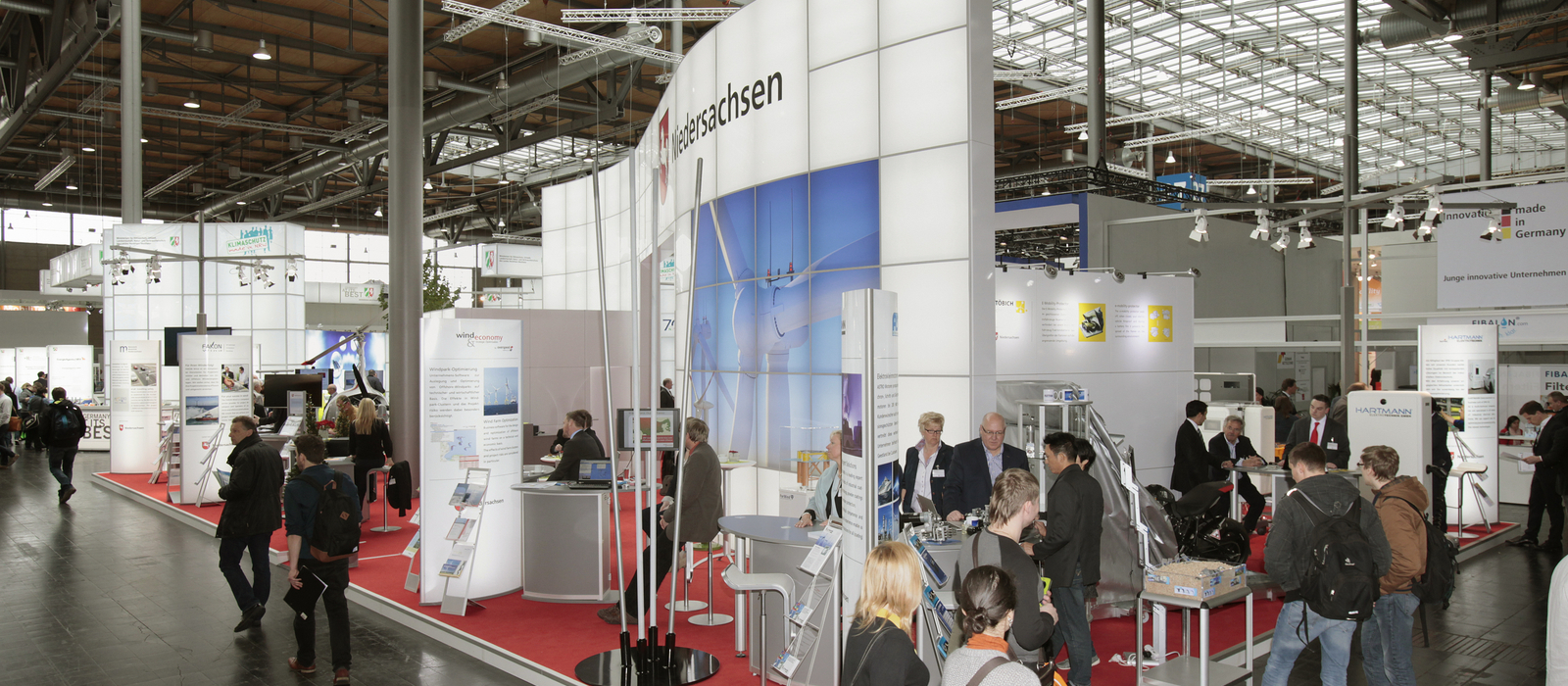
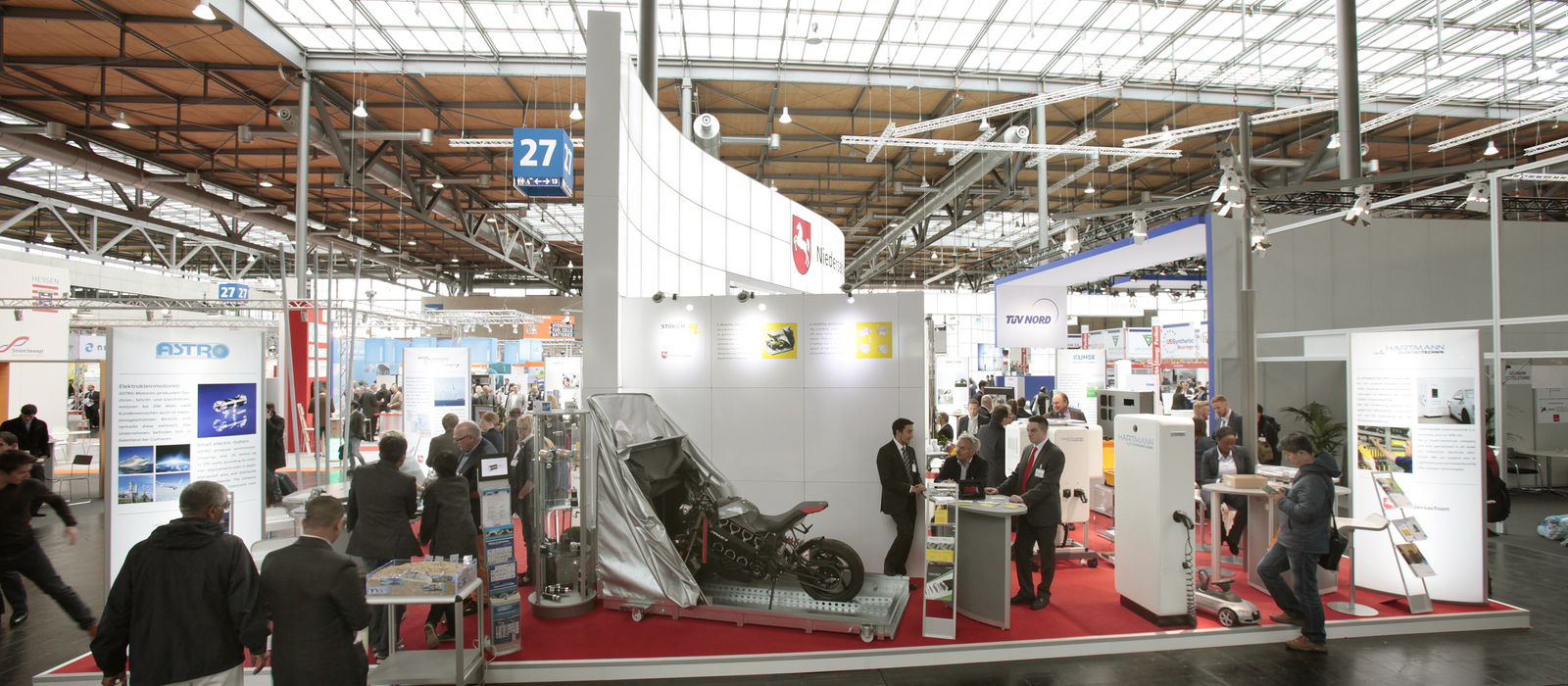
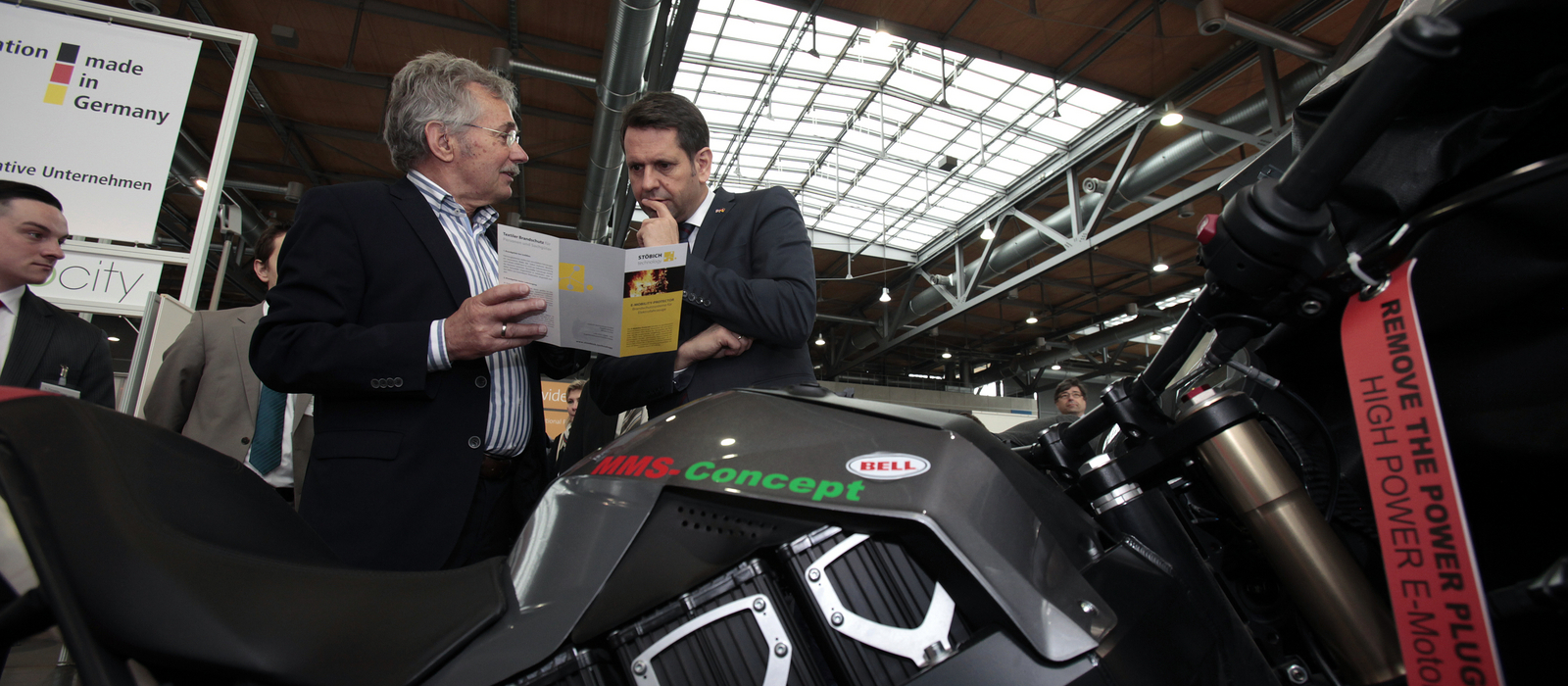
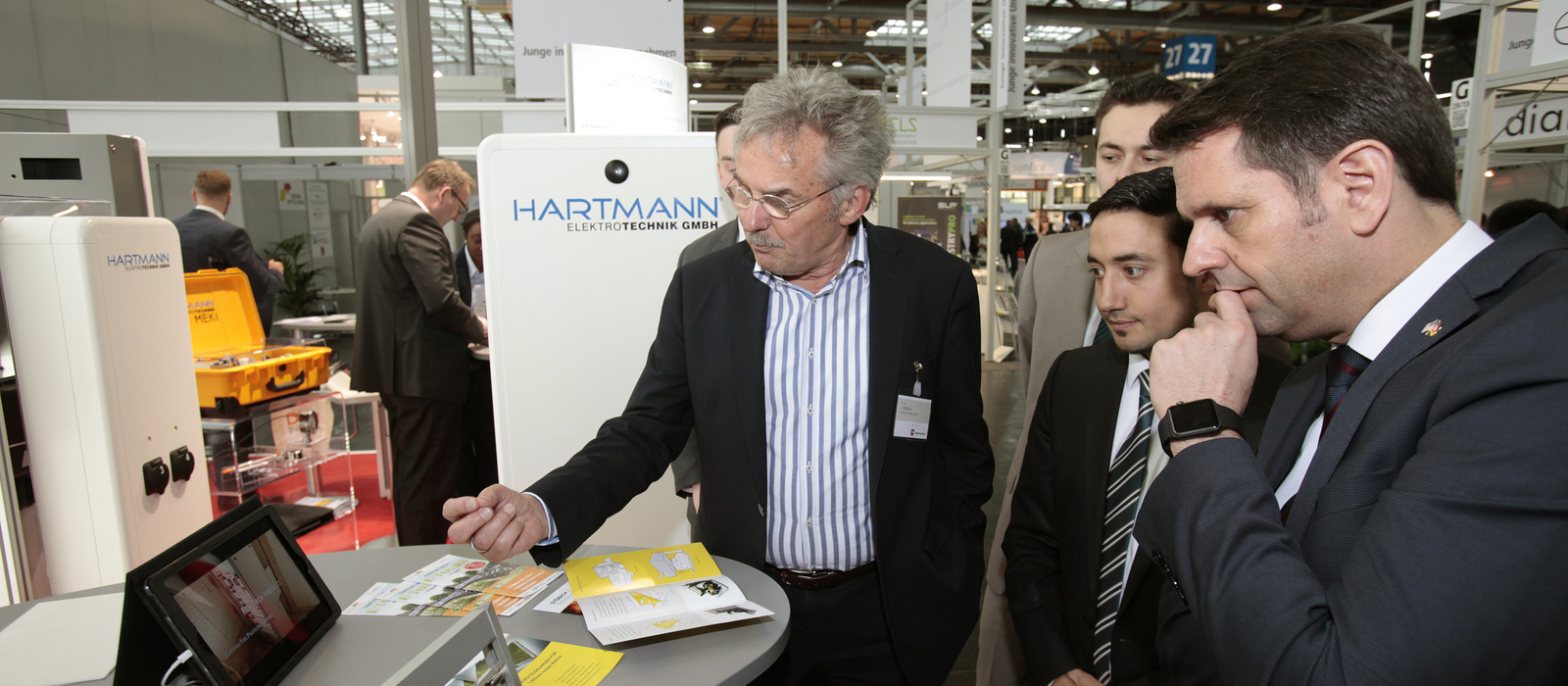
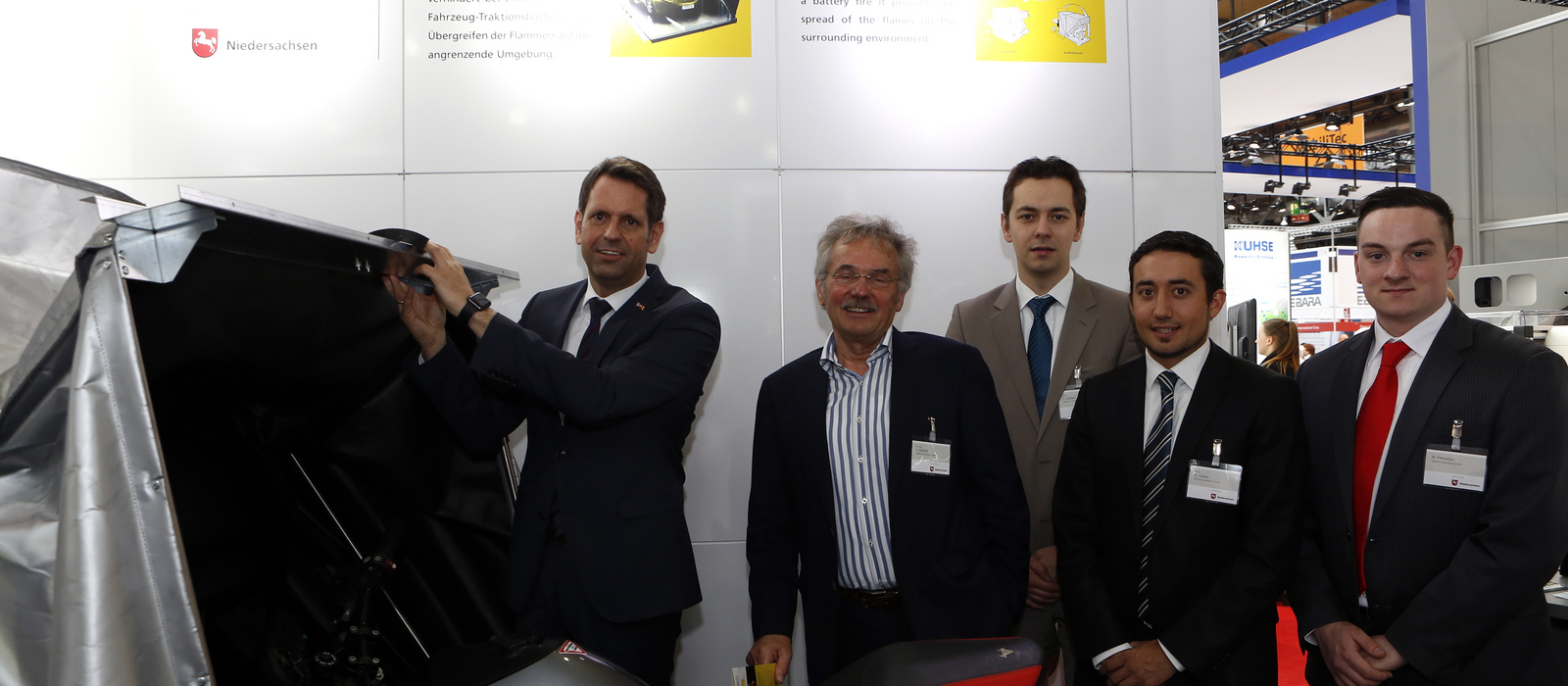
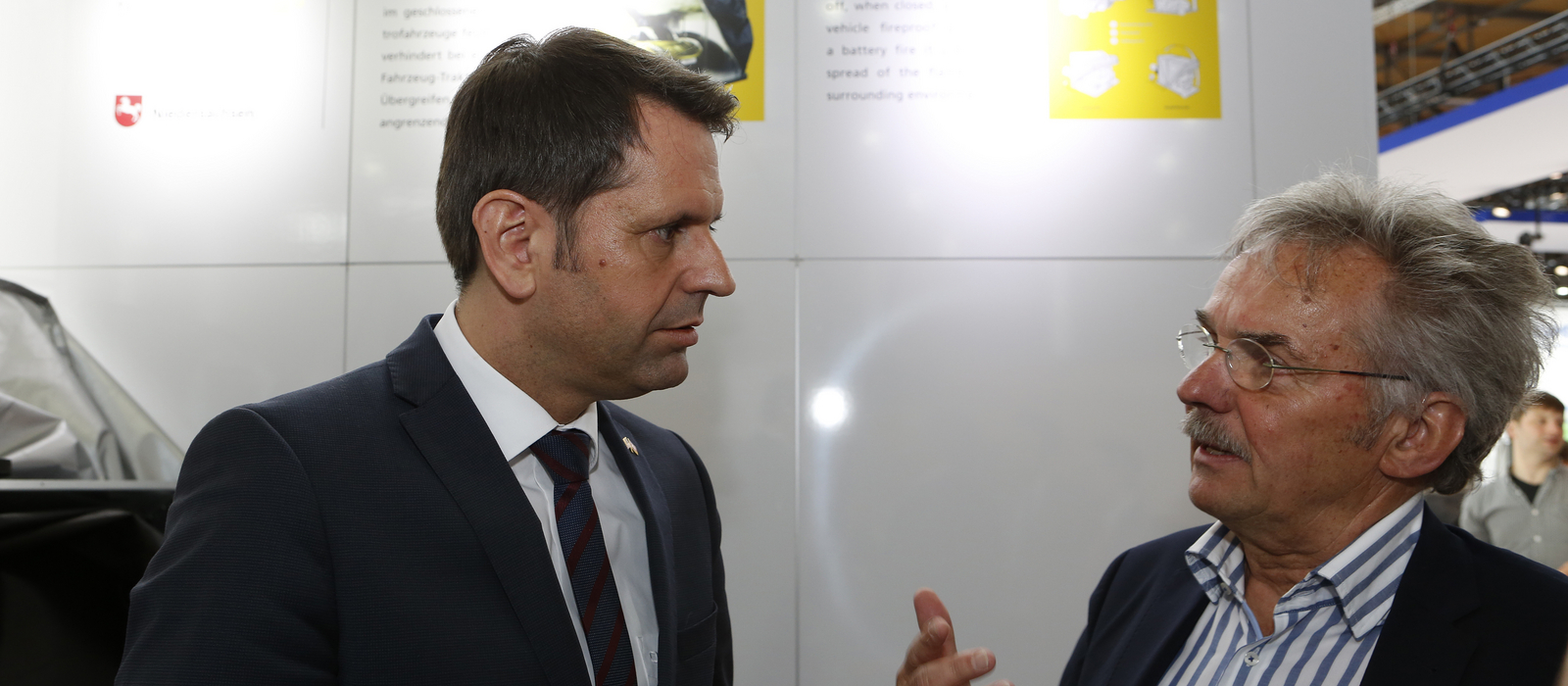
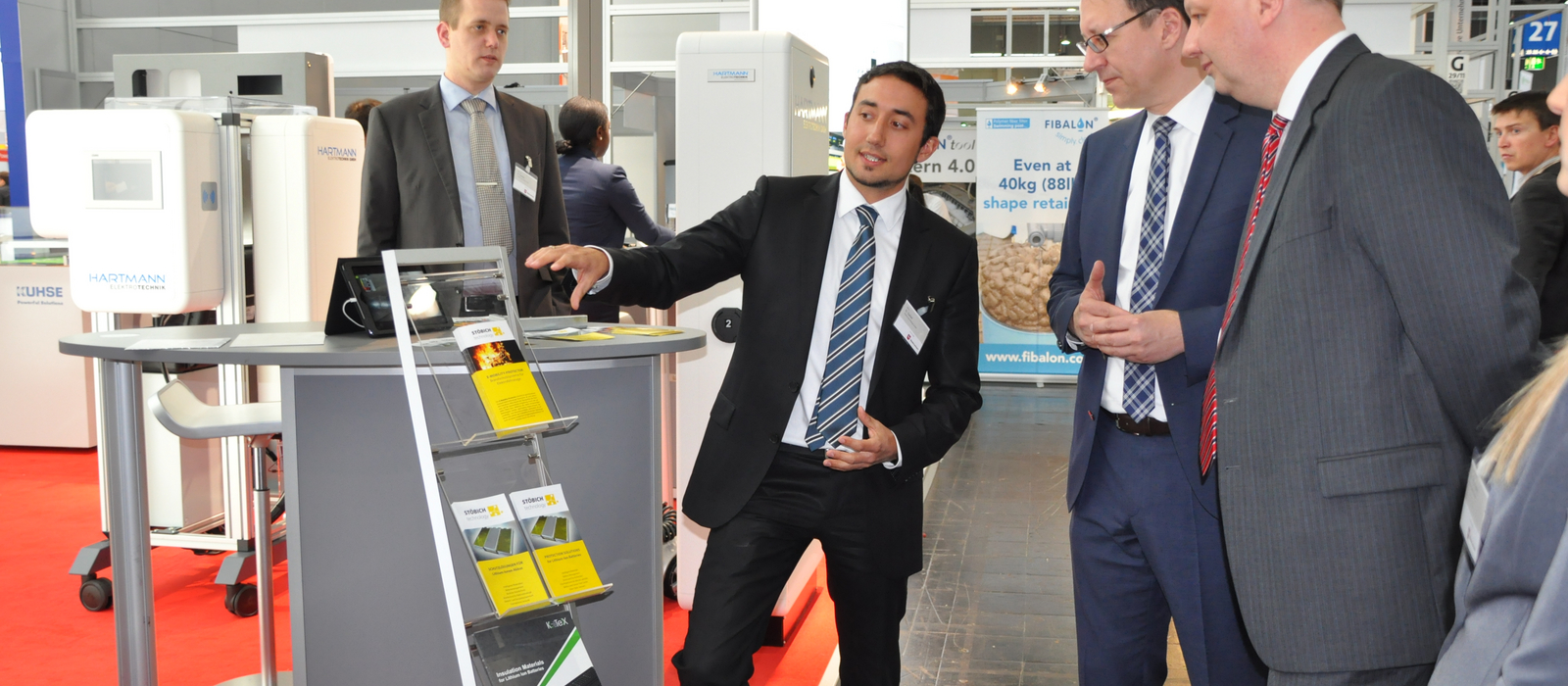
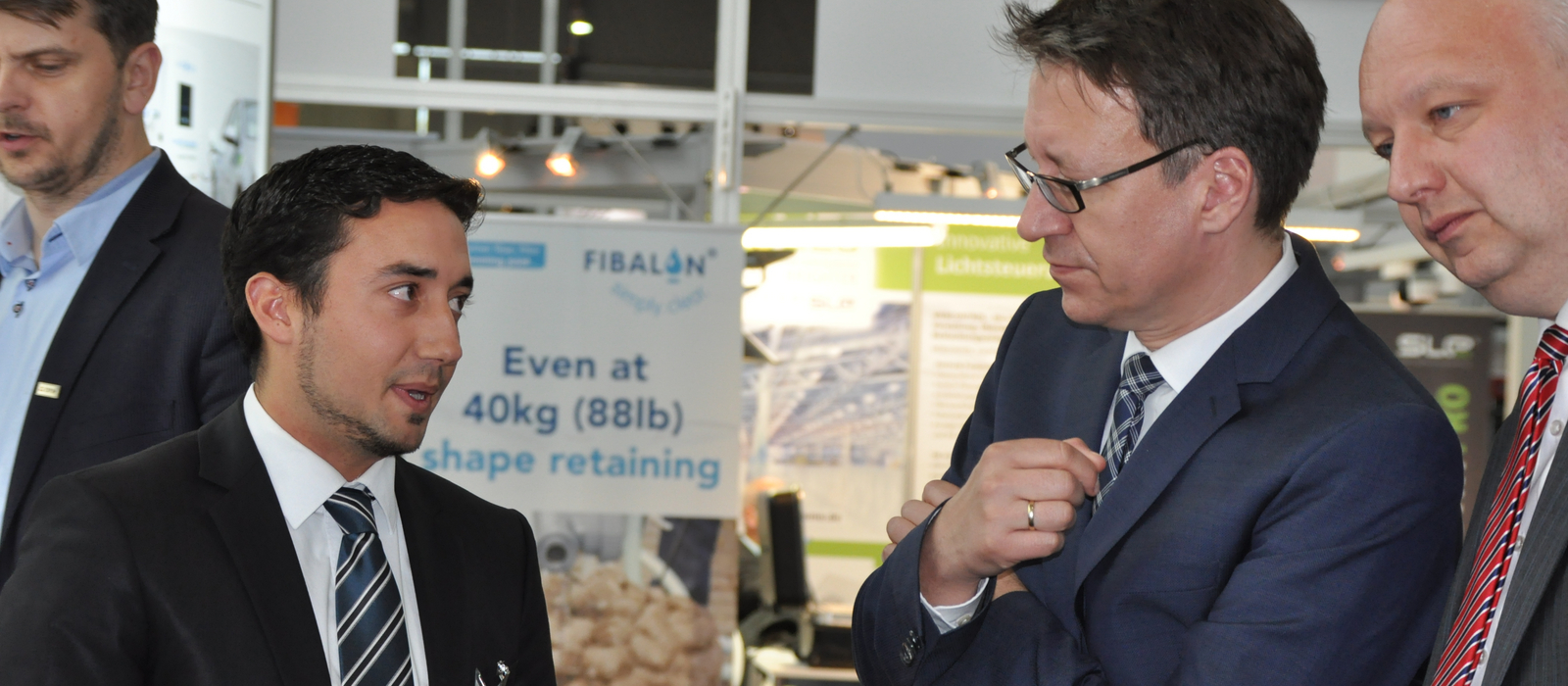
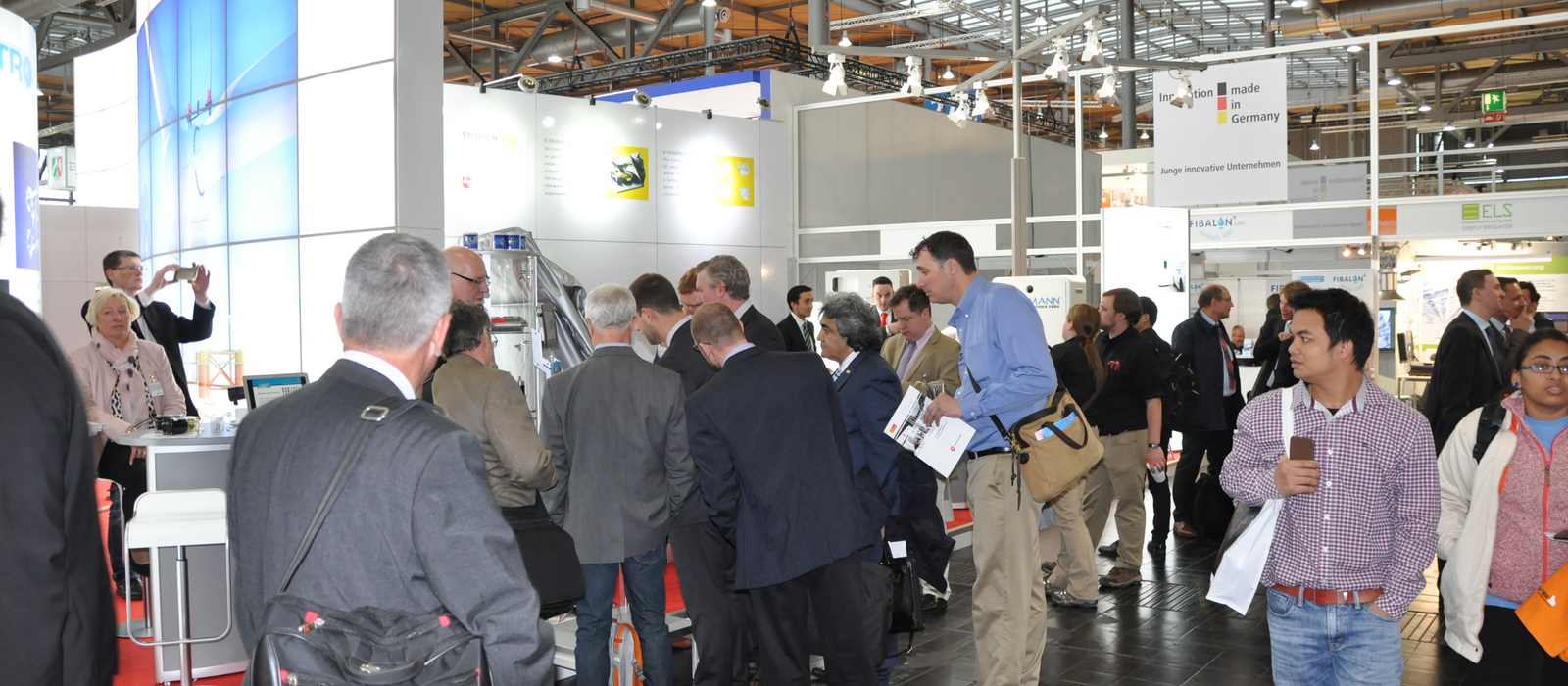
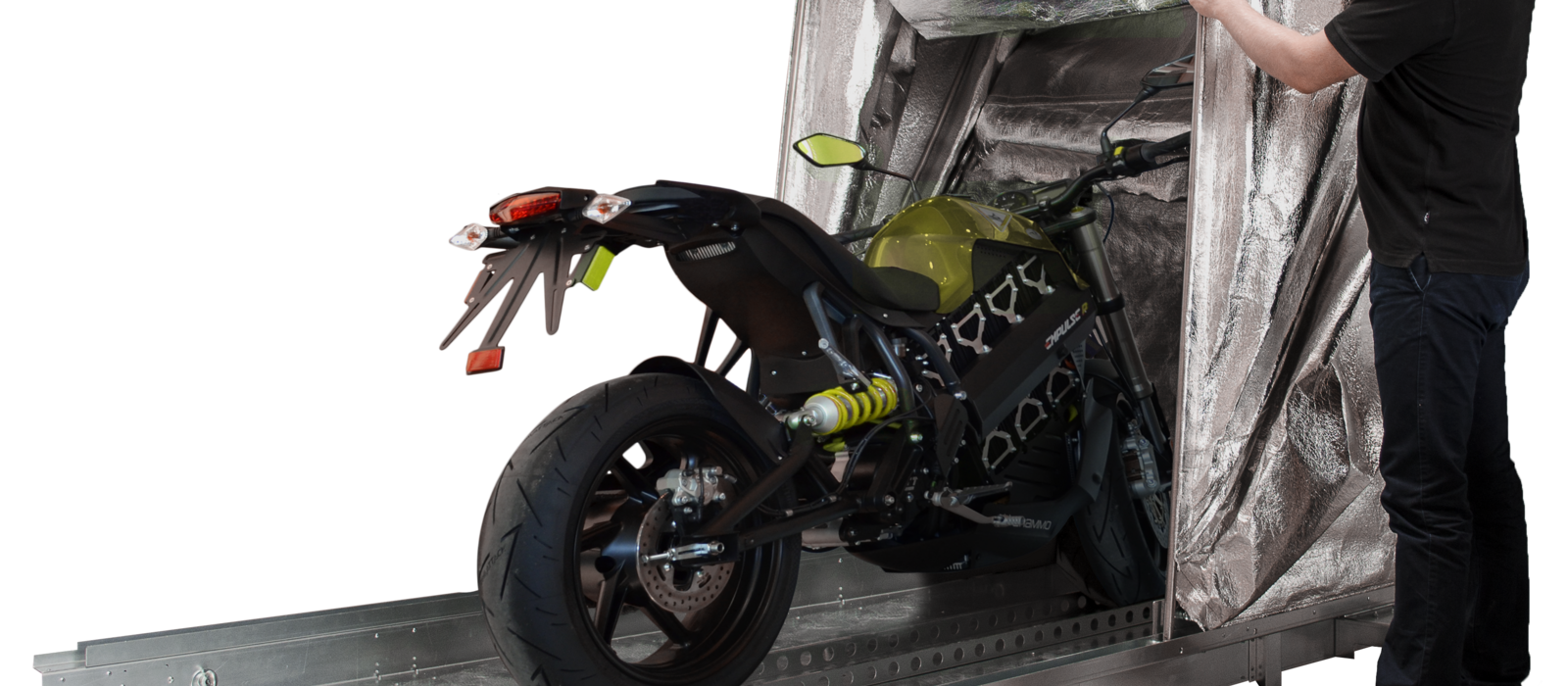
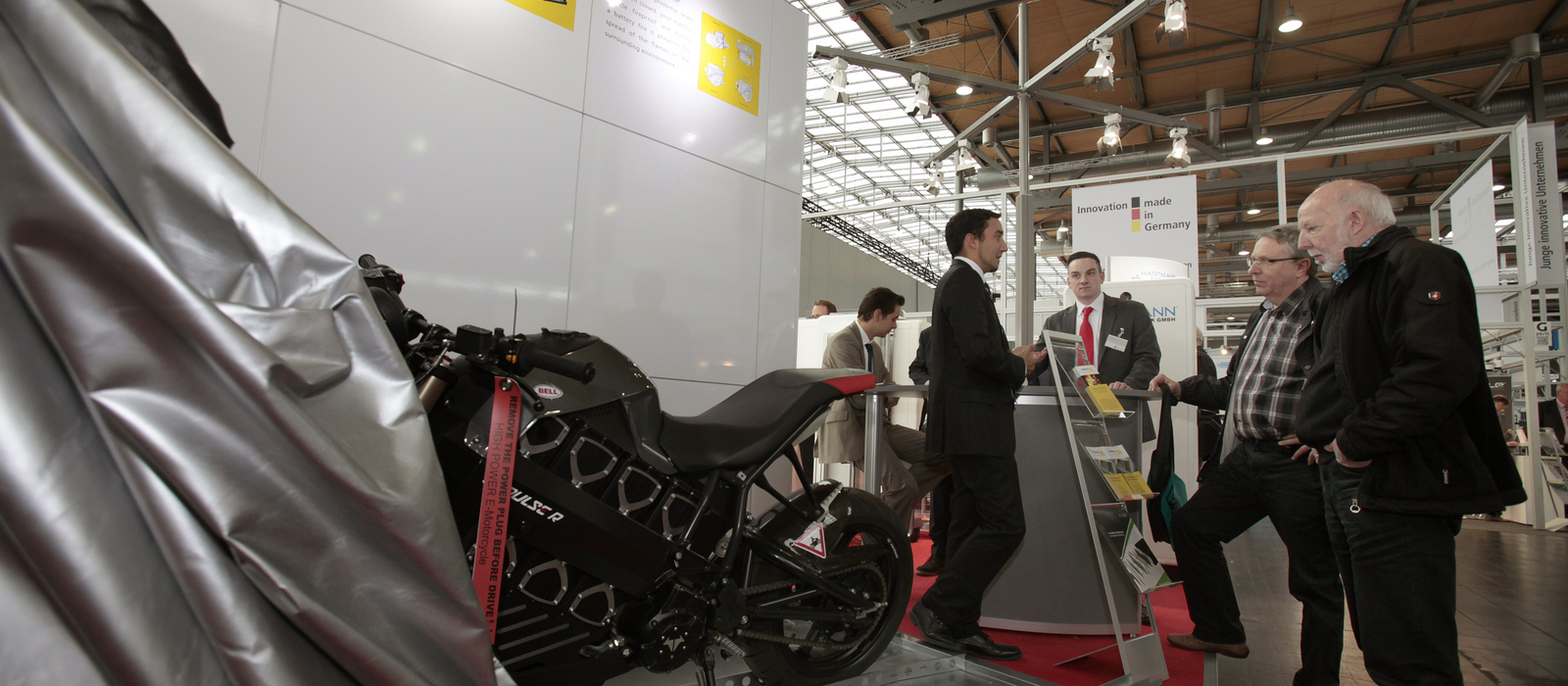
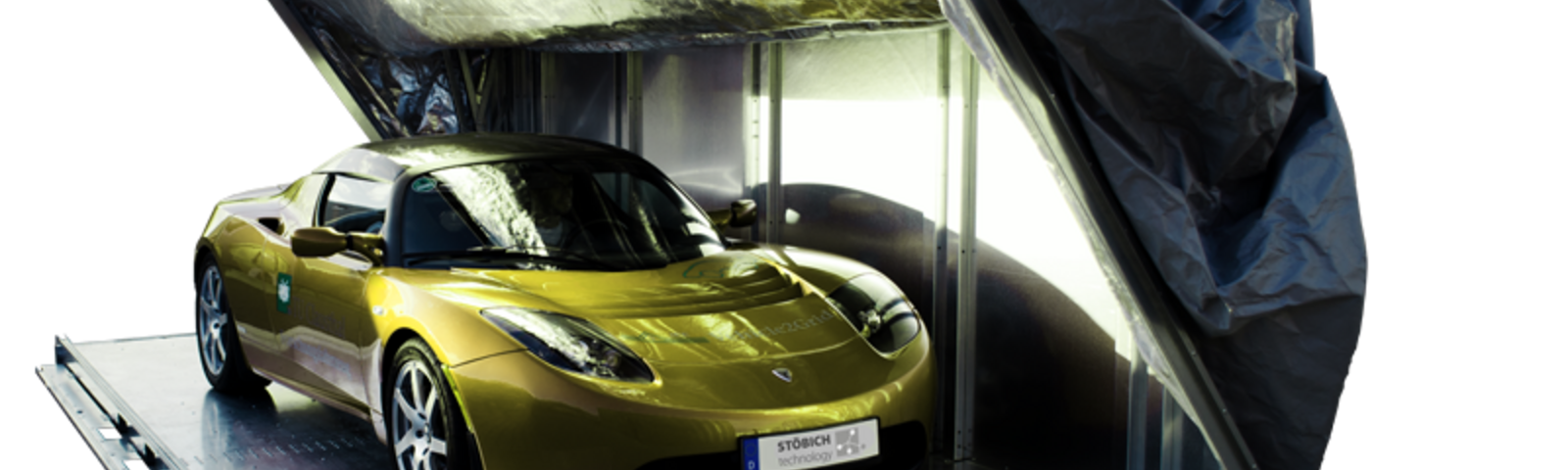
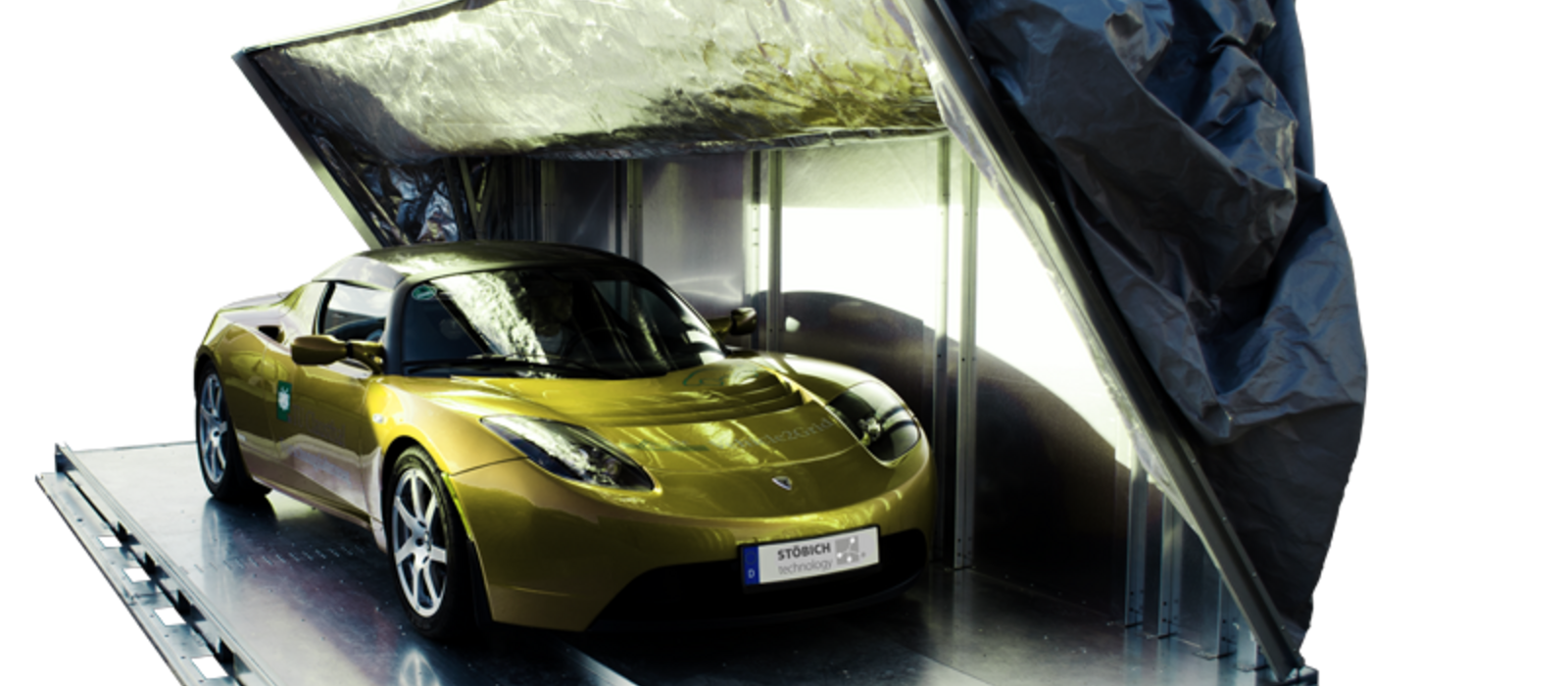
Eine mögliche Lösung für diese Probleme hat die Firma Stöbich technology mit dem neuen E-Mobility-Protector entwickelt. Das textile Brandschutzsystem, welches kürzlich erst auf der Hannover Messe vorgestellt wurde, schottet im geschlossenen Zustand Elektrofahrzeuge feuersicher ab und verhindert bei einem Akku-Brand das Übergreifen der Flammen auf die angrenzende Umgebung. Durch das gleichzeitige gezielte Filtern bzw. Abführen der dabei entstehenden Batteriegase werden gleichzeitig folgenschwere Gesundheits- und Bauwerksschäden verhindert. Auf dem Niedersächsischen Gemeinschaftsstand der Hannover Messe präsentierte das Unternehmen den E-Mobility-Protector zur Abschottung von defekten oder verunfallten Elektrofahrzeugen. Auch wenn der Messestand nicht auf der Besucherliste von Herrn Obama stand, haben zahlreiche Besucher, darunter auch mehrere politische Gäste wie der Niedersächsische Minister für Wirtschaft, Arbeit und Verkehr, Herr Olaf Lies, sowie Herr Dr. Stefan Birkner (ehem. Niedersächsischer Minister für Umwelt, Energie und Klimaschutz und stellvertretender Fraktionsvorsitzender der FDP) sowie Herr Jörg Bode (ehem. Niedersächsischer Minister für Wirtschaft, Arbeit und Verkehr) die neuartigen Schutzsysteme begeistert in Augenschein genommen.

(David Geber / Stöbich technology GmbH / Fotos: © heinrichson photos!)
Erfahren Sie mehr zum Thema...

  • Požární ochrana pro elektrické dopravní prostředky
  • Požární ochrana pro elektrické dopravní prostředky
  • Požární ochrana pro elektrické dopravní prostředky
  • Požární ochrana pro elektrické dopravní prostředky
  • Požární ochrana pro elektrické dopravní prostředky
  • Požární ochrana pro elektrické dopravní prostředky
  • Požární ochrana pro elektrické dopravní prostředky
  • Požární ochrana pro elektrické dopravní prostředky
  • Požární ochrana pro elektrické dopravní prostředky
  • Požární ochrana pro elektrické dopravní prostředky
  • Požární ochrana pro elektrické dopravní prostředky
  • Požární ochrana pro elektrické dopravní prostředky
  • Požární ochrana pro elektrické dopravní prostředky
  • Požární ochrana pro elektrické dopravní prostředky
  • Požární ochrana pro elektrické dopravní prostředky
  • Požární ochrana pro elektrické dopravní prostředky
  • Požární ochrana pro elektrické dopravní prostředky
  • Požární ochrana pro elektrické dopravní prostředky
  • Požární ochrana pro elektrické dopravní prostředky
  • Požární ochrana pro elektrické dopravní prostředky
  • Požární ochrana pro elektrické dopravní prostředky
  • Požární ochrana pro elektrické dopravní prostředky
  • Požární ochrana pro elektrické dopravní prostředky
  • Požární ochrana pro elektrické dopravní prostředky