• NL
  • Oplossingen
    • Fire protection curtains

      Fire protection curtains

      Fire protection curtains are seal openings in walls and ceilings in case of fire. The constructional set-up (rolling- or folding technology) and the use of different fabrics offer a wide application spectrum as well as different protection targets or classifications and time classes. Casings and side guides of those flexible applicable systems are integrated almost invisibly in the building and provide much scope for design of sophisticated architecture for opened designs.

    • Conveyor system closures

      Conveyor system closures

      Manifold production - and logisitc processes require different construction types of conveying systems. If the haulage drifts are passing through fire-retarding resp. fire-resisting walls or ceilings, the necessary openings must be provided with fire protection closures to avoid the expansion of the fire by conveyor technique or by conveyed material. In case of fire the conveyor system closures have to seal those openings immediately and automatically. Thereby a classified fire resistance as well as the smoothly clearing of the closing area must be respected in case of release.

    • Smoke curtains

      Smoke curtains

      A smoke curtain is part of unit keeping areas free from smoke and may include building parts like natural smoke and heat venting systems and automatic smoke and heat venting systems. Smoke curtains restrict the movement of fire gases inside a building in case of fire.

    • Smoke protection closures

      Smoke protection closures

      In closed condition smoke protection closures restrict the passage of smoke in the phase of fire formation so as to enable the rescue of people, animals or materials assets in case of a fire in the room positioned behind it without the need of breathing protection.

    • Tube sealings

      Tube sealings

      The solution to problems with fire protection dampers for ventilation and air conditioning systems in conveying processes. Stöbich offers fire protection for pneumatic conveying lines where the closing elements are not exposed to the flow. Thus, damage or contamination of the closure element is avoided by abrasive conveyed goods.

    • Controls

      Controls

      Control systems are necessary for all automatic fire protection systems! They are safety-relevant, because without their function or in the event of a malfunction, the entire investment of a fire protection partition would be useless. Controllers coordinate both fire detection and the interaction with other controls, like superordinate building control or the retraction of the closing area at conveyor closing area.

    • Médiathèque Charles Nègre | Grasse, France

      Médiathèque Charles Nègre | Grasse, France

      The Médiathèque Charles Nègre in Grasse, France, is an impressive example of contemporary architecture that reflects the cultural and historical importance of the region. The information center with space for education, culture and encounters was opened in 2011 and designed by the renowned French architecture firm Marc Barani. The building combines modern aesthetics with the traditional architecture of Provence, creating a harmonious link between old and new, for example by combining modern materials such as glass and steel with local natural stone. The generous window fronts create an atmosphere flooded with light. Ecological sustainability is achieved through natural ventilation and the resulting reduction in energy consumption; green spaces are also integrated on various levels. Our <a href="/us/solutions/fire-protection-curtains/stoebich-fire-smoke-curtain-hc"><b>➥ horizontal Fire and smoke curtain hc</b></a> fire protection curtains fit perfectly into this marvel of contemporary architecture. They securely close the ceiling openings in the event of a fire, but otherwise remain invisible and let in plenty of light and air. Copyright attribution: © Ivry Serres

  • Referenties
  • Over Stöbich
  • Wereldmarktleider
  • Duurzaamheid
  • Actueel
  • Contact
Brandbeveiliging voor elektrische voertuigen

Brandbeveiliging voor elektrische voertuigen

Brandgevaar bij lithium-batterijen

Brandgevaar bij lithium-batterijen

Brandbeveiliging voor elektrische voertuigen

Als het gaat zoals de Bondsregering wil, moeten uiterlijk 2020 een miljoen elektrische auto 's op Duitse wegen onderweg zijn. Zij zijn stil, stoten geen verbrandingsgassen uit, gelden als efficiënt en bieden een milieuvriendelijk alternatief voor de eindige brandstoffen op aardoliebasis. Maar in de gebruikte lithium-batterijen schuilt een niet te onderschatten gevarenpotentieel!

Een miljoenen elektrische voertuigen tot 2020. Een doelstelling, die gelet op de thans circa 25.500 toegelaten elektrische voertuigen (bron: Statista 2016) als uitdaging kan worden aangeduid. Het aantal hybride voertuigen, dat over een combinatie van elektro- en verbrandingsmotor beschikt, is met rond 130.400 (bron: Statista 2016) al duidelijk hoger. Beide voertuigtypen hebben een ding gemeen, ze gebruiken een geïntegreerde opslaginrichting voor elektrische energie. Hiervoor worden in de regel lithium-batterijen gebruikt. Maar de gevaren, die bij de toepassing van deze batterijen bestaan, zijn enorm!

Gevarenbronnen

In geval van een defect dan wel een beschadiging van de lithium-batterijen kan er zeer snel brand ontstaan, die op gebruikelijke manier nauwelijks te blussen is. De oorzaken kunnen van uiteenlopende aard zijn. Bij een ongeval kan een beschadiging van de accu's niet worden uitgesloten. Evenzo is de veroudering van de batterijen een niet te stoppen proces. En zelfs een eenvoudig oplaadproces kan gevaarlijke gevolgen hebben. Want in alle deze gevallen kan het tot een rampzalige brand komen. Deze kan bijvoorbeeld zelfs weken na een ongeval door zelfontbranding ontstaan. De preventieve bescherming van verongelukte elektrische voertuigen komt daardoor in toenemende mate onder de aandacht van fabrikanten en verzekeringen. Ook het ontstaan van wat men noemt dendrieten kan door veroudering van de gebruikte accu niet gestopt worden. Daarbij gaat het om elektrochemische afzettingen, die zich bij voorbeeld aan de elektroden van een accu vasthechten en tot kleine naalden kunnen uitgroeien. Hierbij dreigt in het ernstigste geval een kortsluiting. En ook ondanks moderne batterijmanagementsystemen kan ten slotte een overlading niet volledig worden uitgesloten, wanneer de e-auto 's nachts aan een oplaadstation hangt.

Brandbeveiligingsoplossing voor lithium-batterijen

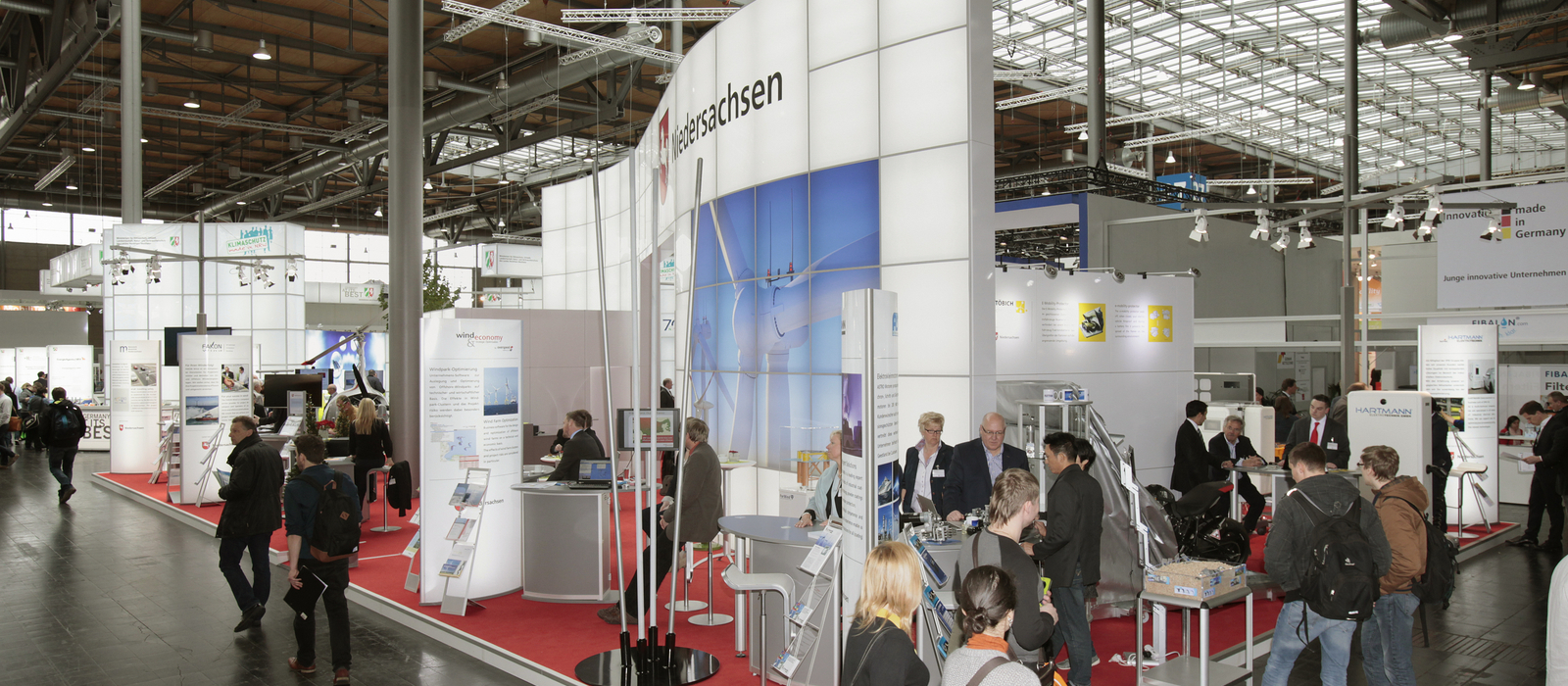
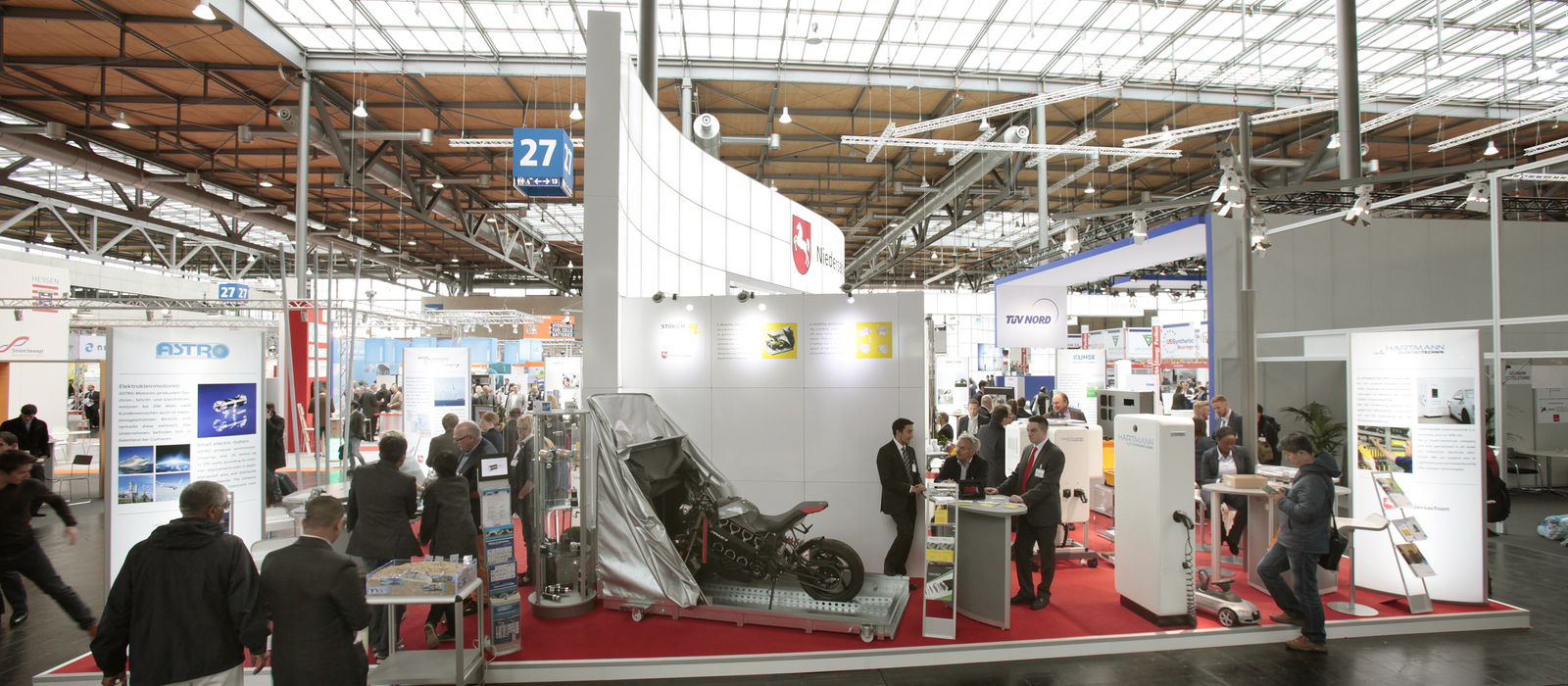
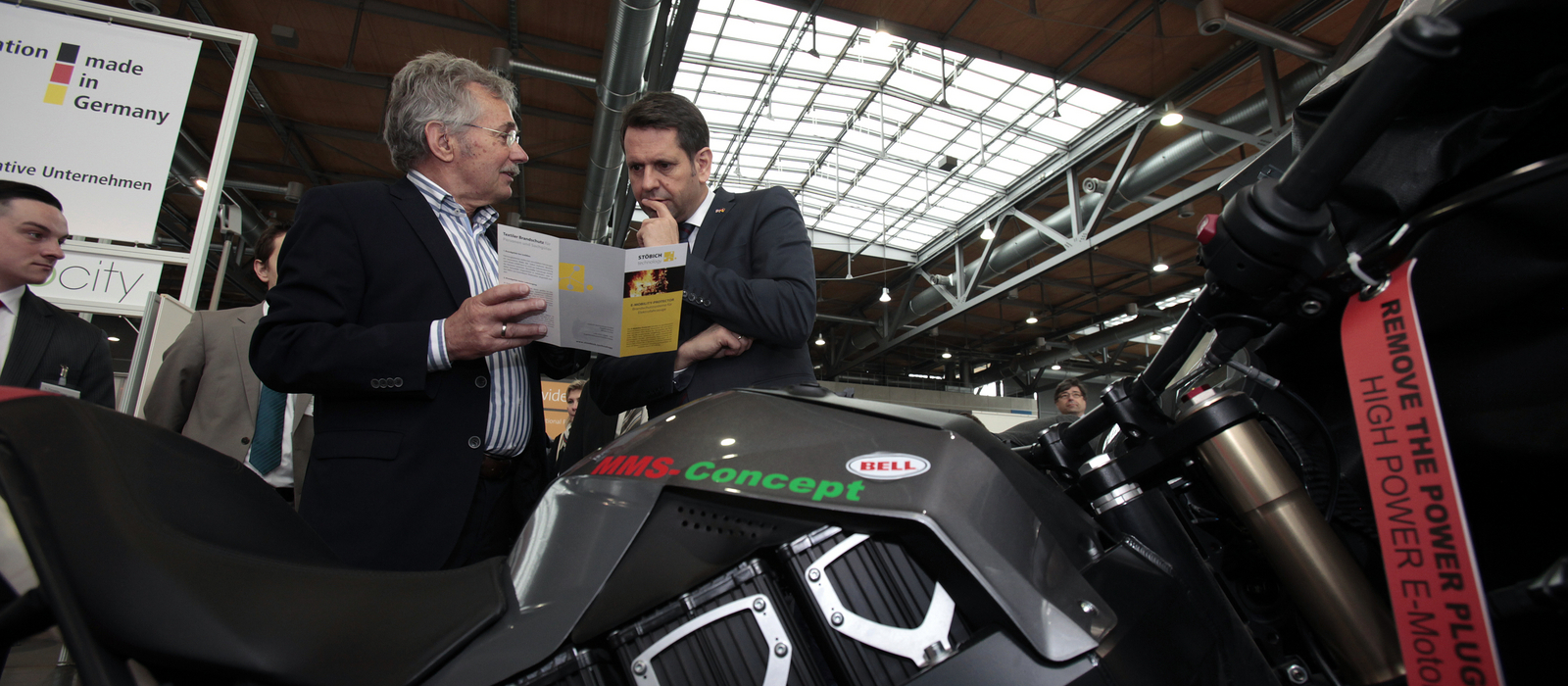
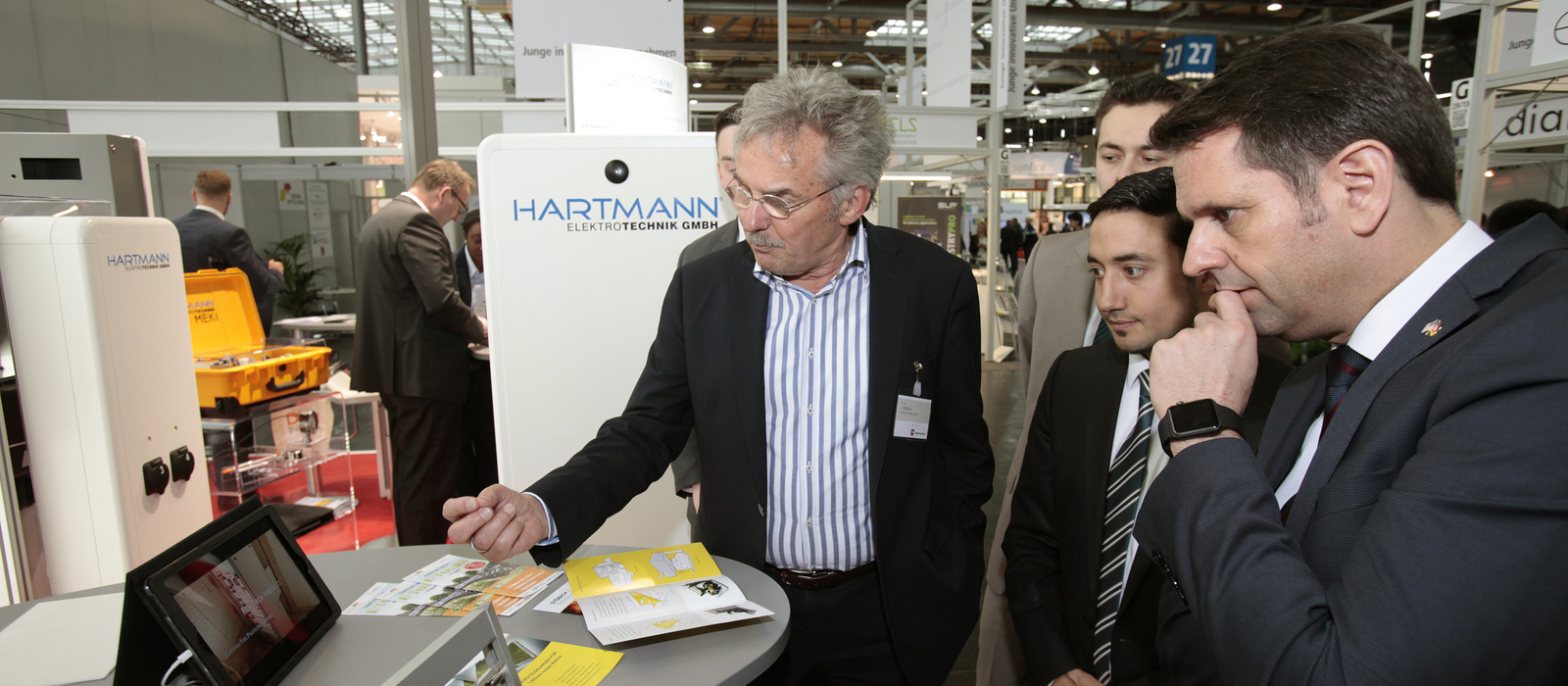
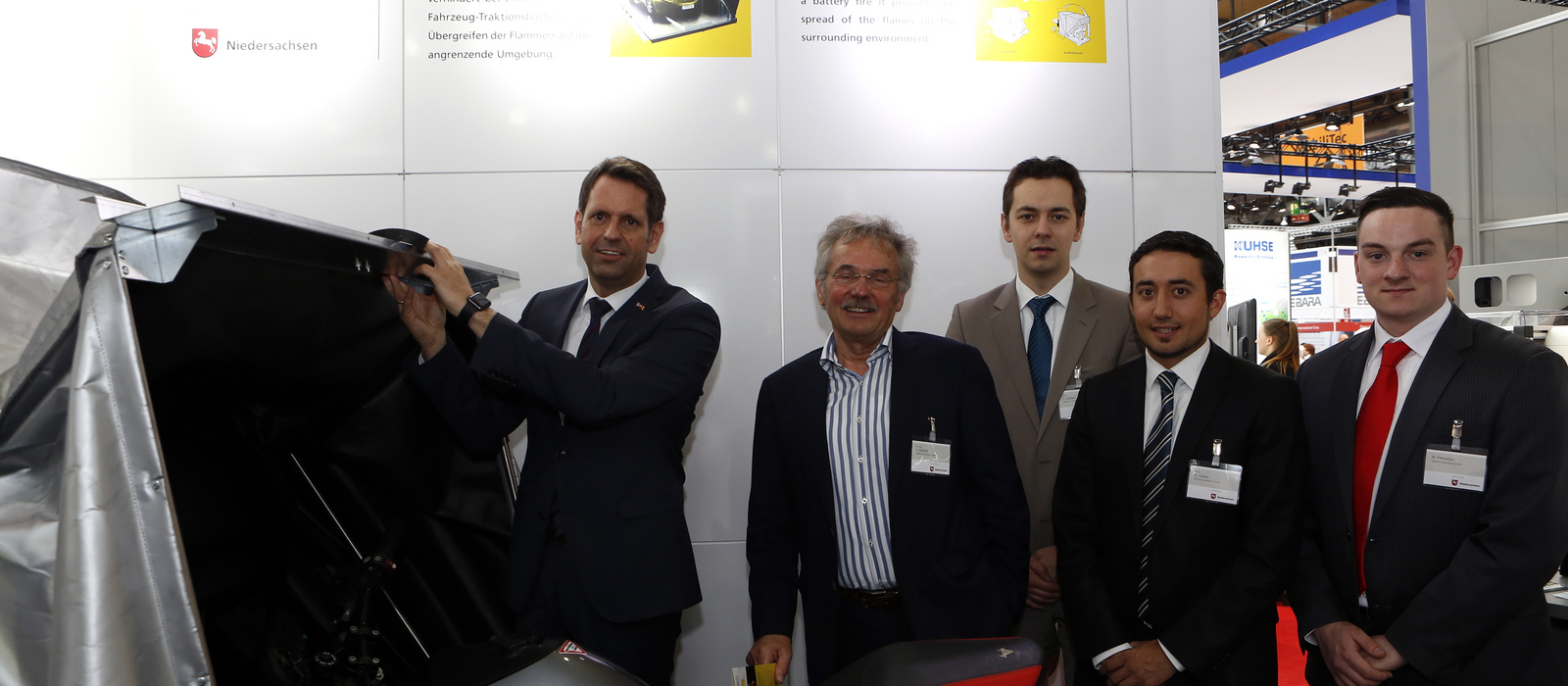
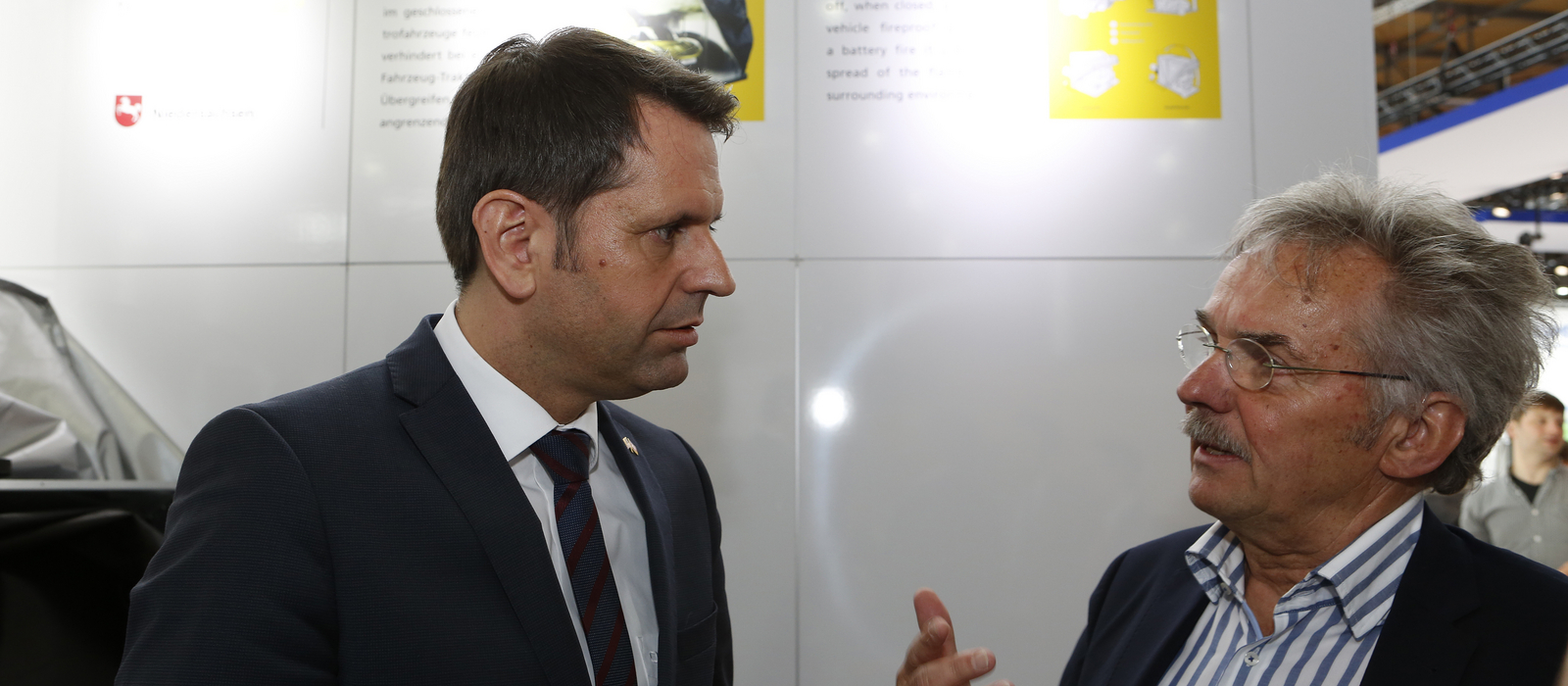
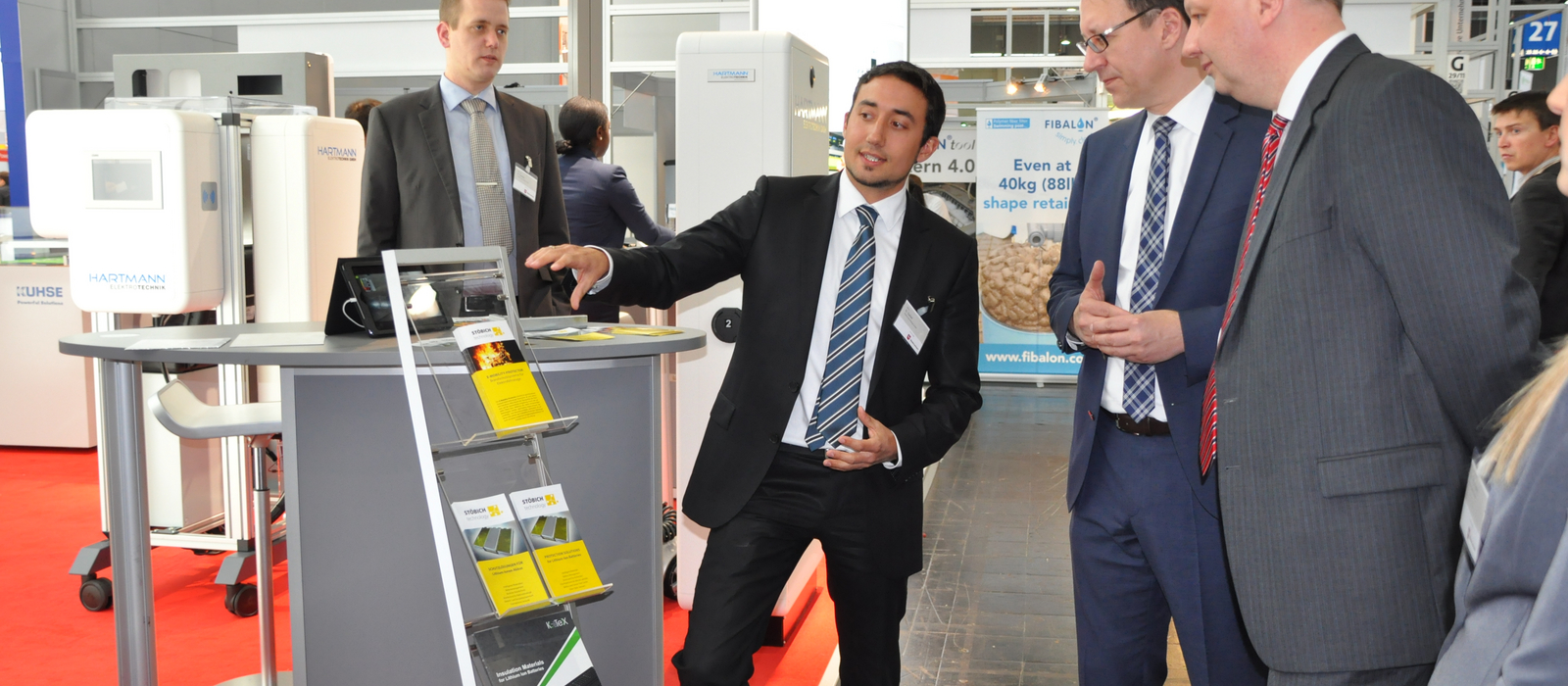
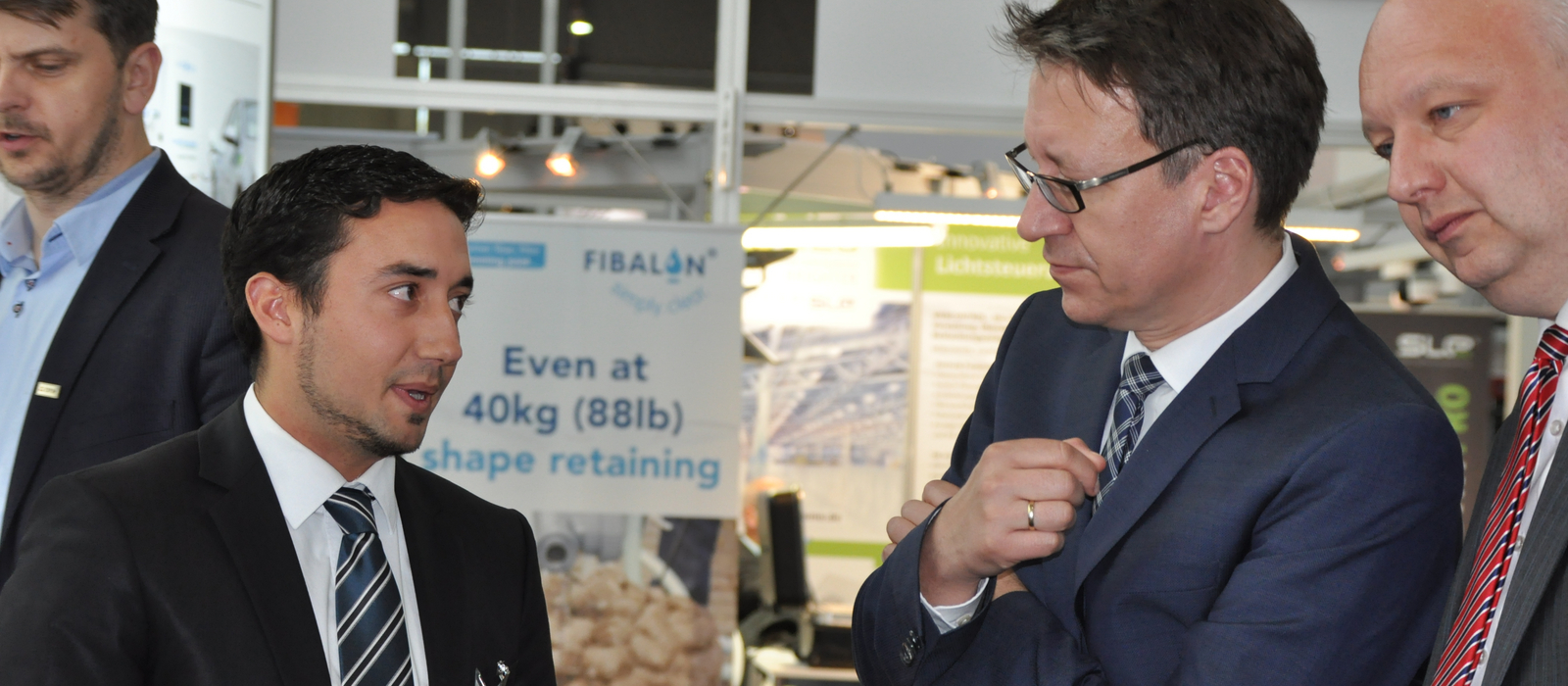
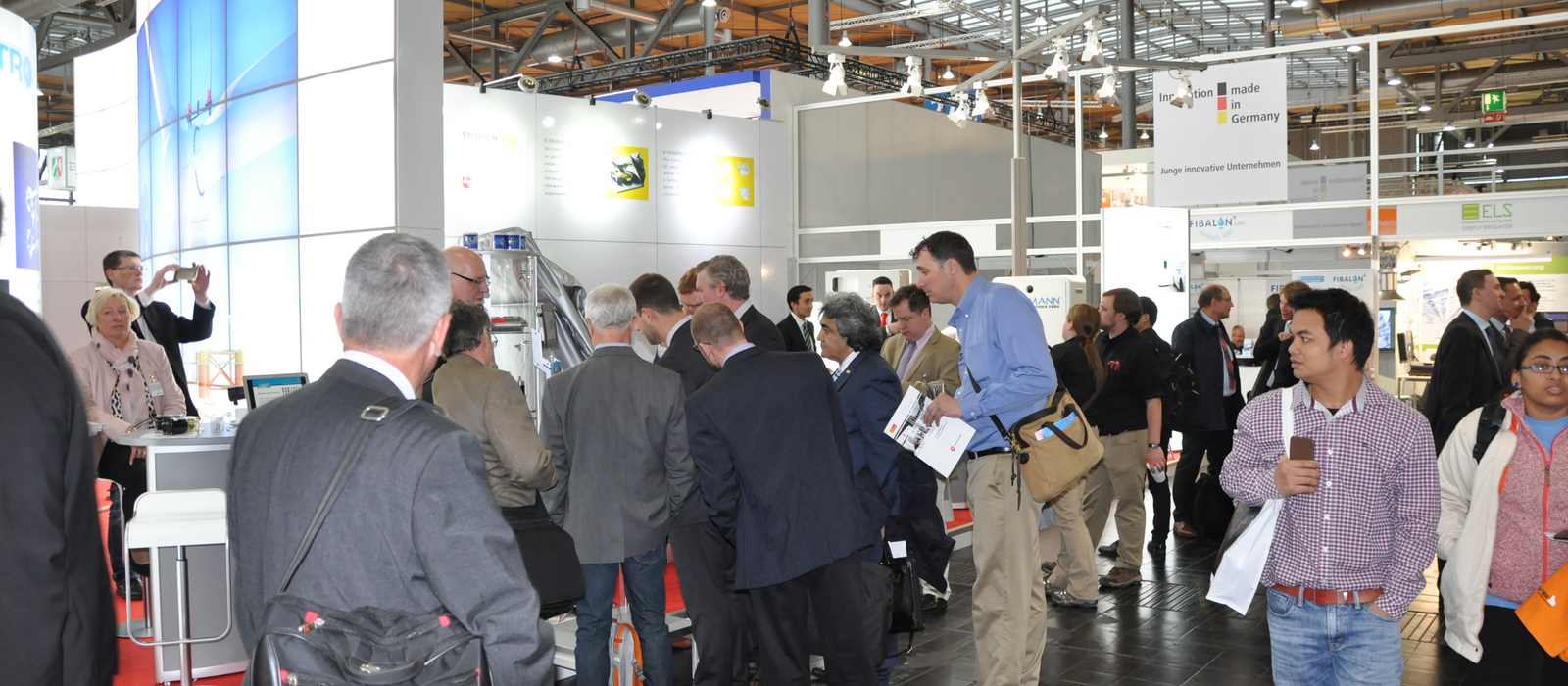
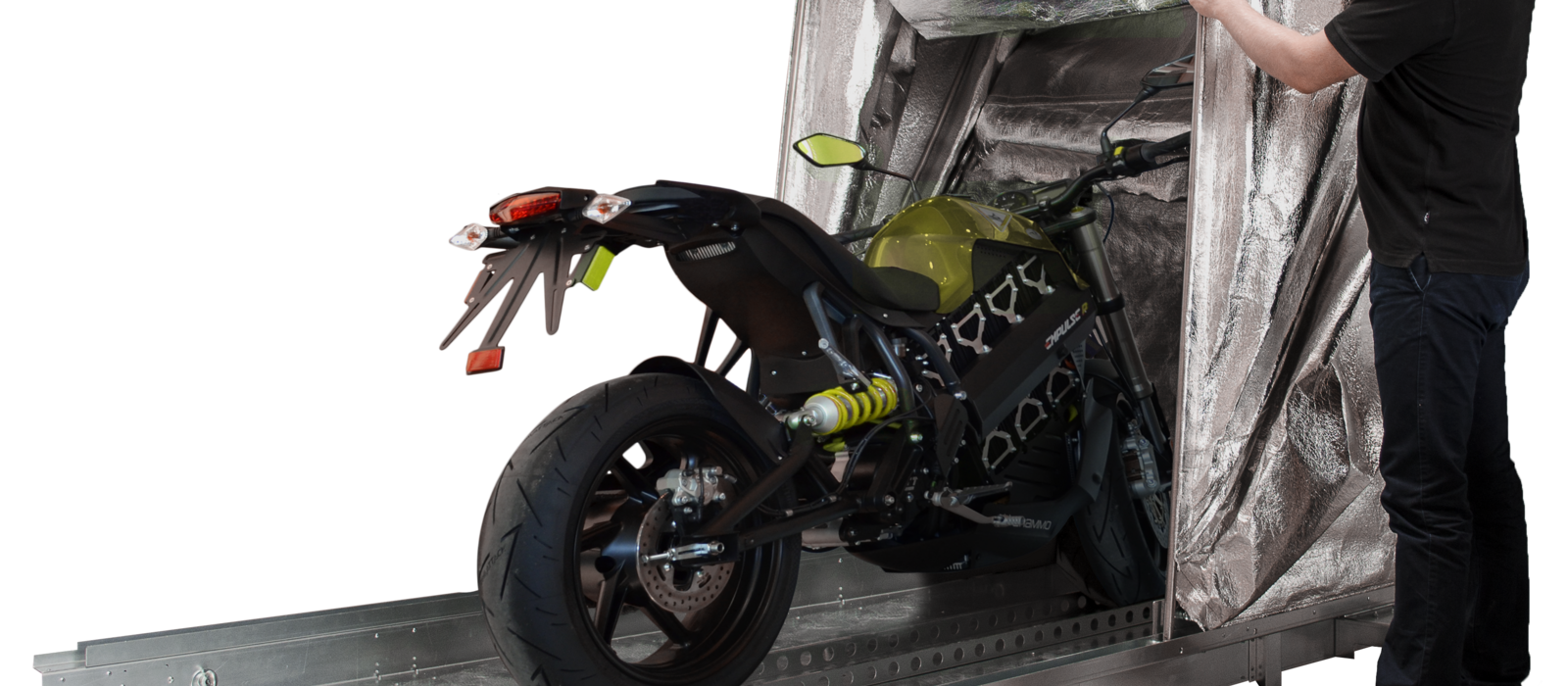
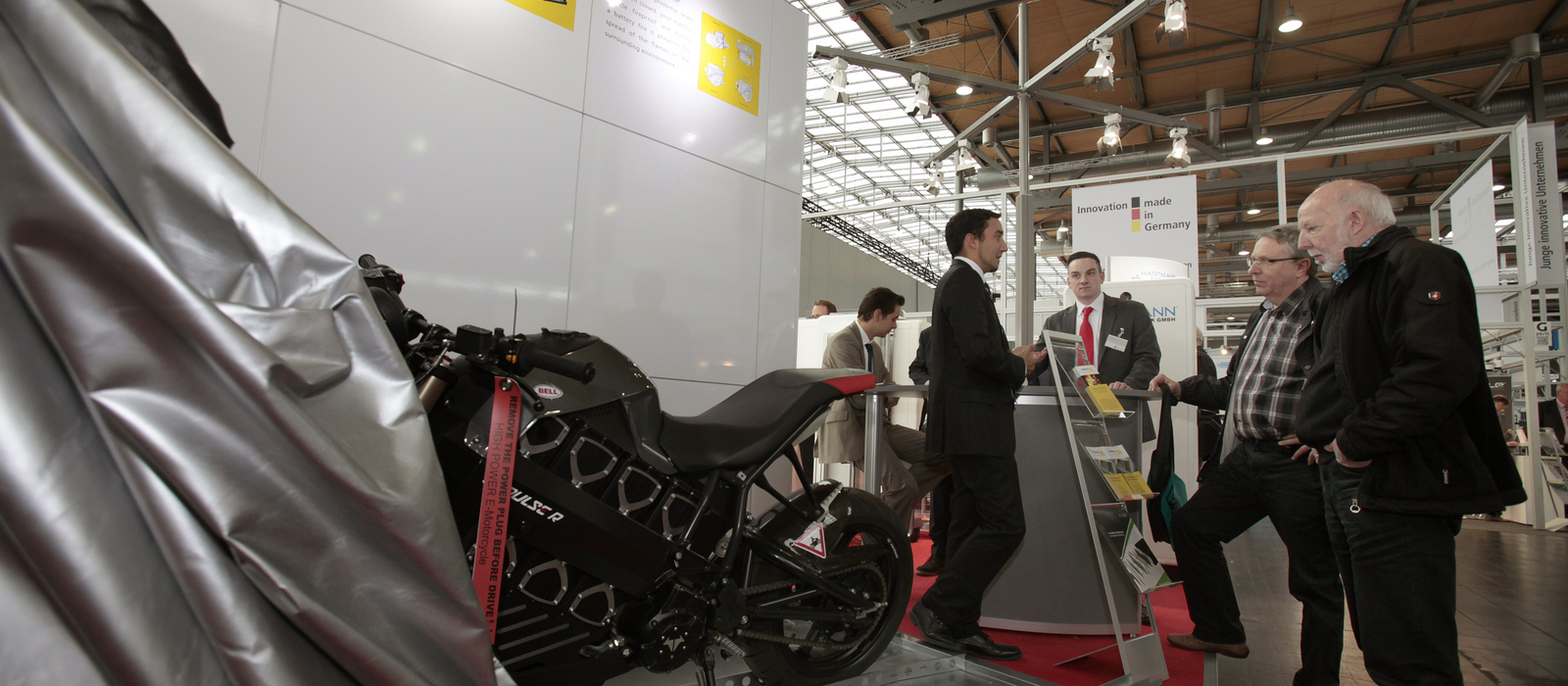
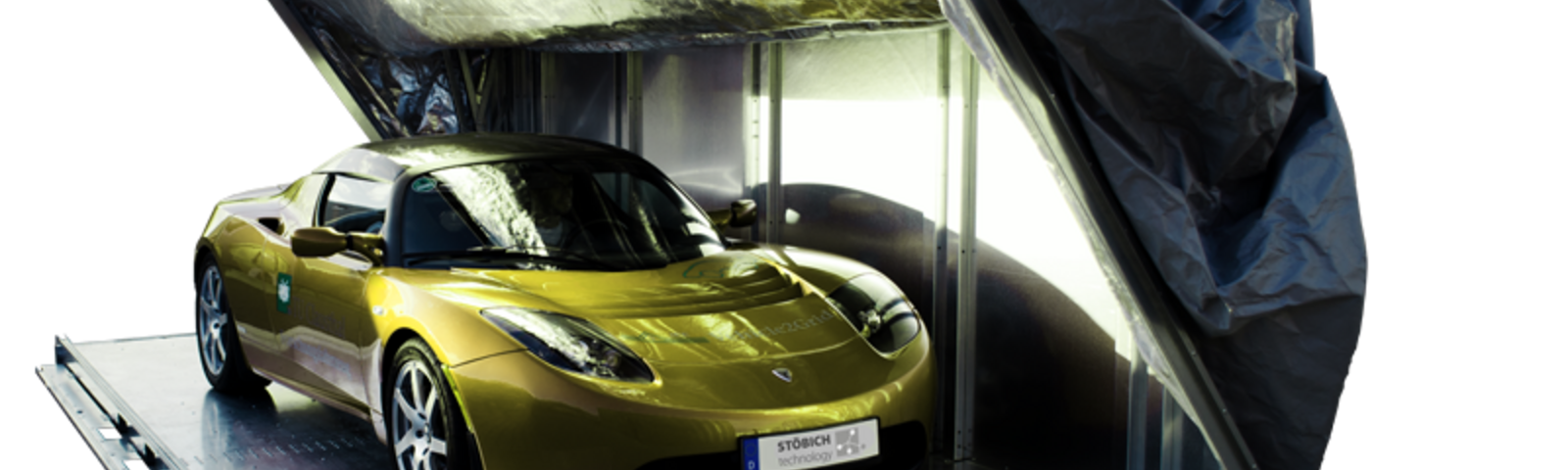
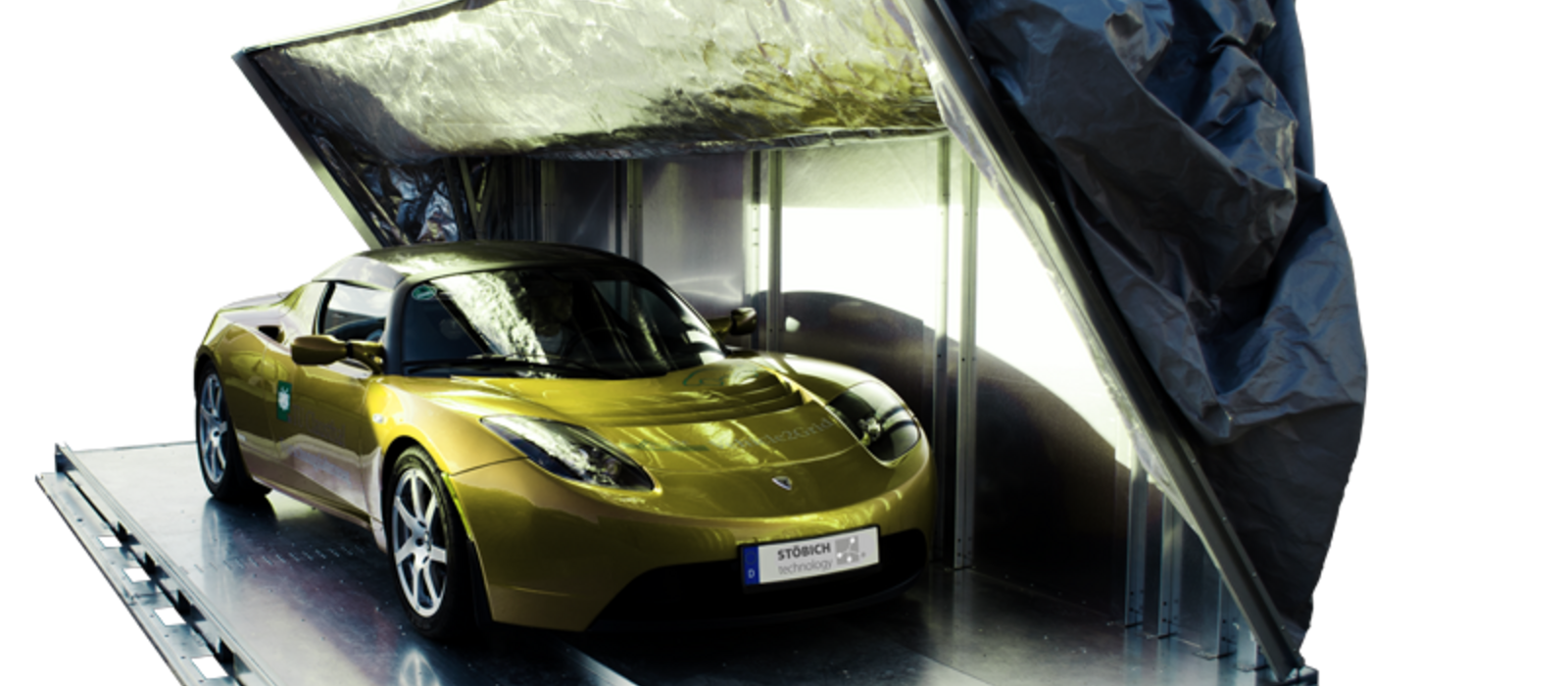
Een mogelijke oplossing voor deze problemen heeft de firma Stöbich technology met de nieuwe E-Mobility-Protector ontwikkeld. Het textiele brandbeveiligingssysteem, dat kort geleden op de Hannover Messe werd voorgesteld, schermt in de gesloten toestand elektrische autoi's brandveilig af en verhindert bij een accu-brand het overslaan van de vlammen naar de aangrenzende omgeving. Door het gelijktijdig gericht filteren dan wel afvoeren van de daarbij ontstaande batterijgassen wordt tegelijkertijd schade met ernstige gevolgen voor gezondheid en gebouwen verhinderd. Op de stand van de Gemeenschap Nedersaksen van de Hannover Messe presenteerde de onderneming de E-Mobility-Protector voor de afscherming van defecte of verongelukte elektrische voertuigen. Ook wanneer de beursstand niet op de bezoekerslijst van de heer Obama stond, hebben talrijke bezoekers, waaronder ook meerdere politieke gasten zoals de Minister van Nedersaksen voor economie, arbeid en verkeer, de heer Olaf Lies, zowel als de heer Dr. Stefan Birkner (de vroegere Minister van de deelstaat Nedersaksen voor milieu, energie en bescherming van het klimaat en Vice-fractievoorzitter van de FDP) zowel als De heer Jörg Bode (de vroegere Minister van de deelstaat Nedersaksen voor economie, arbeid en verkeer) de nieuwe beschermingssystemen enthousiast in ogenschouw genomen.

(David Geber / Stöbich technology GmbH / foto's: © heinrichson photos!)
Kom meer over het thema te weten...

  • Brandbeveiliging voor elektrische voertuigen
  • Brandbeveiliging voor elektrische voertuigen
  • Brandbeveiliging voor elektrische voertuigen
  • Brandbeveiliging voor elektrische voertuigen
  • Brandbeveiliging voor elektrische voertuigen
  • Brandbeveiliging voor elektrische voertuigen
  • Brandbeveiliging voor elektrische voertuigen
  • Brandbeveiliging voor elektrische voertuigen
  • Brandbeveiliging voor elektrische voertuigen
  • Brandbeveiliging voor elektrische voertuigen
  • Brandbeveiliging voor elektrische voertuigen
  • Brandbeveiliging voor elektrische voertuigen
  • Brandbeveiliging voor elektrische voertuigen
  • Brandbeveiliging voor elektrische voertuigen
  • Brandbeveiliging voor elektrische voertuigen
  • Brandbeveiliging voor elektrische voertuigen
  • Brandbeveiliging voor elektrische voertuigen
  • Brandbeveiliging voor elektrische voertuigen
  • Brandbeveiliging voor elektrische voertuigen
  • Brandbeveiliging voor elektrische voertuigen
  • Brandbeveiliging voor elektrische voertuigen
  • Brandbeveiliging voor elektrische voertuigen
  • Brandbeveiliging voor elektrische voertuigen
  • Brandbeveiliging voor elektrische voertuigen