• CZ
  • Rešení
    • Fire Protection Bonnets

      Fire Protection Bonnets

      • Copy-Cap WV
      • Copy-Cap WH
    • Fire protection curtains

      Fire protection curtains

      In case of fire, fire protection curtains close wall and ceiling openings. Their construction (roll-down or folding technique) and the use of different fabrics provide for a wide range of applications as well as different protection goals, classifications and time classes. The casing and guide rails of the highly flexible systems blend almost invisibly into the building and allow plenty of scope for sophisticated architecture and open room concepts.

      • Fibershield®-P
      • Fibershield®-E
      • Fibershield®-I
      • Fibershield®-HC
      • Fibershield®-S
      • Fibershield®-F
    • Conveyor system closures

      Conveyor system closures

      Various production and logistics processes call for the most diverse types of conveyor systems. If these conveyor lines pass through fire-retardant or fire-resistant walls or ceilings, the openings required for this purpose must be provided with fire protection closures to prevent the spread of fire through the conveyor system or the goods conveyed. In the event of fire, conveyor system closures (CSC for short) must close these openings immediately and automatically. Fire resistance classified according to DIN EN 13501-2 is just as important as the smooth clearance of the closing areas in the event of a fire.

      • ECClos®-S
      • ECClos®-Q
      • ECClos®-FLEX-I
      • Ecotube
      • GCC
      • BR100
    • Smoke curtains

      Smoke curtains

      A smoke apron is a part of a smoke control system which also includes other components such as natural smoke and heat exhaust ventilators (EN 12101-2) and mechanical smoke and heat exhaust ventilators (EN 12101-3). Smoke aprons restrict the movement of combustion gases within a building in case of fire.

      • Supercoil
      • Stripecoil
      • Smokeshield-S
      • Fixed smoke apron
    • Smoke protection curtains

      Smoke protection curtains

      Once closed, smoke protection curtains (SPC) restrict the passage of smoke during the phase of fire formation, so that in the event of a fire, there is enough time to rescue people and animals from the room behind the curtain and to recover material assets without the need for respiratory equipment.

      • Fiberseal
    • Gates

      Gates

      The solution for issues with fire protection dampers in ventilation and air conditioning systems in conveyor processes. Stöbich offers fire protection for pneumatic conveyor lines the closing elements of which are not exposed to the flow of conveyed material. This way, the closing element cannot be damaged or contaminated by abrasive conveyed goods.

      • Omnicompact
    • Control units

      Control units

      Each automatic fire protection system needs a control unit. They are critical to safety, because a failure of this function means that the entire investment into a fire protection sealing has been in vain. Control units coordinate both fire detection and interaction with other control units, such as higher-level building control systems or clearing of the closing area of conveyor system closures.

      • RZ7
      • RZ3/4
      • RZ8
      • Battery system
      • Movipower 350/550
      • UPS
      • FFE-KDR
    • Special Solutions
      • ECClos®-D
      • ECClos®-K
      • Universal-B
      • Universal-S
      • ECClos®-FLEX
      • Collar
      • Turbocoil
      • Omnitube
    • Technical Fire Protection
      • Fire Multi Detektor
    • Fire protection for battery storage
      • Strainbox XS
      • Strainbox S
      • Strainbox L
      • Strainbox XL
      • Strainlock
      • Packaging Cushions
    • Service
  • Pověření
  • Tematické světy
  • Světový lídr
  • Udržitelnost
  • Zprávy
  • Kontakt

A Stöbichovu cenu za podporu podnikání 2024 získává ...

A Stöbichovu cenu za podporu podnikání 2024 získává ...

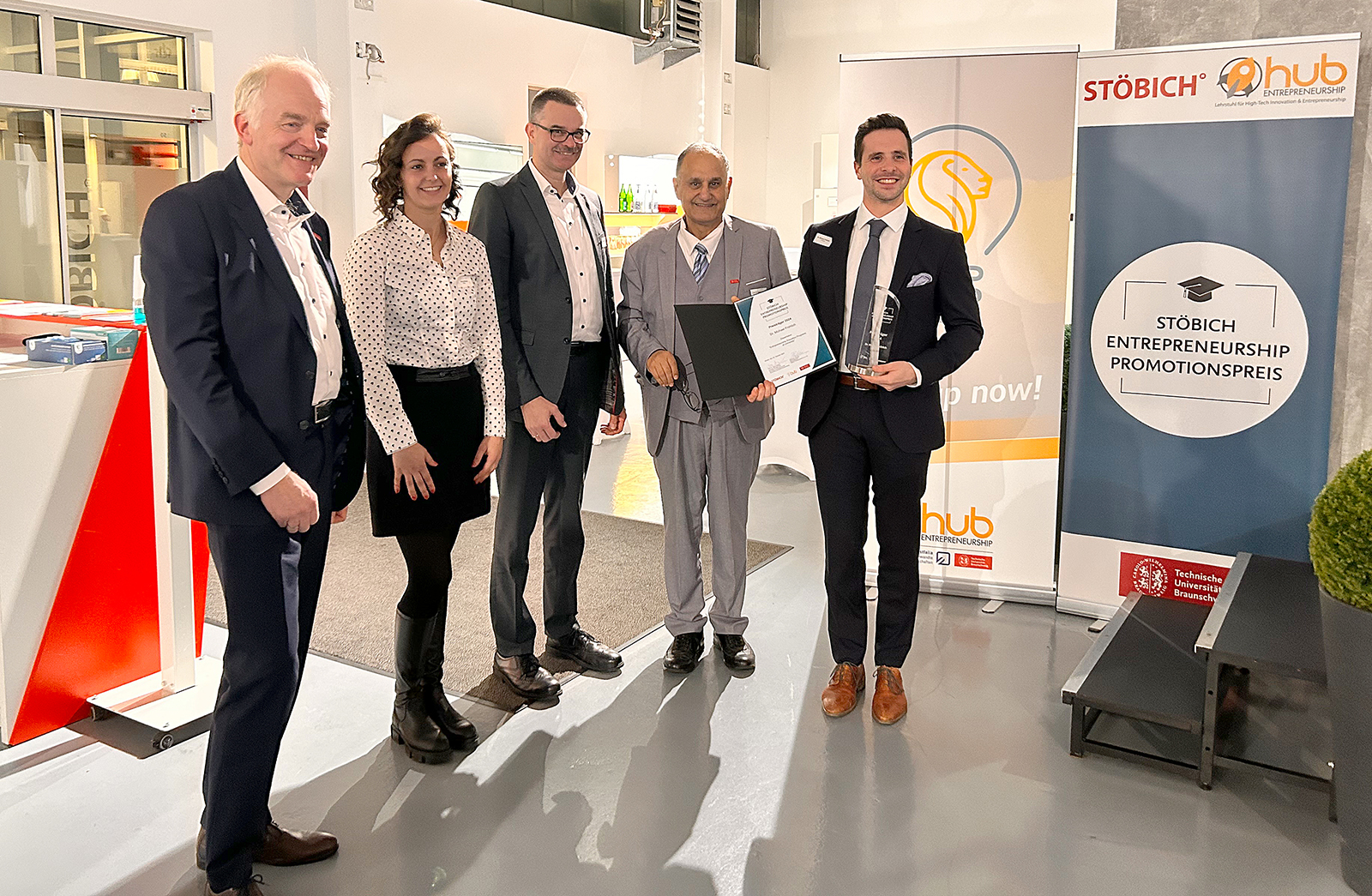
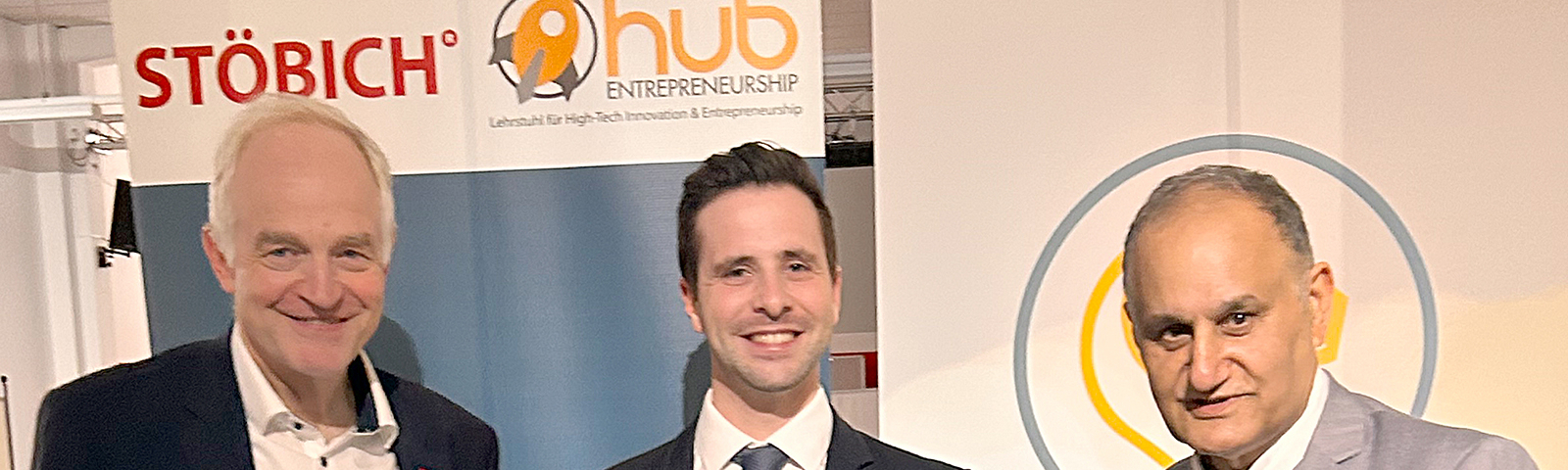
... Dr. Michael Fröhlich z Technické univerzity v Mnichově! Na slavnostním předávání cen v showroomu STÖBICH byl tento mladý vědec a začínající zakladatel firmy oceněn za svou vynikající disertační práci.

Jak ovlivňují univerzitní programy pro podnikatele start-upové aktivity účastníků? Tuto otázku zkoumal letošní vítěz Stöbichovy ceny za doktorandské studium v oblasti podnikání, Dr. Michael Fröhlich z Mnichovské univerzity. V hlavním projevu představil metody a výsledky své disertační práce „Lze se naučit podnikat?“ a nakonec na otázku z jejího názvu odpověděl stručně: „Funguje to!“. Pravděpodobnost založení úspěšné firmy se zdvojnásobuje, pokud účastníci předtím absolvovali podnikatelský program sestávající z teorie a praxe na univerzitě. Dr. Fröhlich to dokázal představením různých známých start-upů, z nichž některé získaly i více než miliardu rizikového kapitálu jako „jednorožci“.

Předseda poroty a vedoucí Podnikatelského centra na TU Braunschweig a Ostfalské univerzitě, Prof. Dr. Reza Asghari, ve svém pochvalném projevu ocenil vynikající práci Dr. Fröhlicha, který na oplátku také ukázal společenskou přidanou hodnotu takových programů, jako je vytváření nových pracovních míst. Výzkumná práce Dr. Fröhlicha nastavuje „nové standardy pro analýzu a hodnocení podnikatelských programů“. Ještě předtím se Prof. Dr. Asghari vrátil s posluchači do minulosti, když společně s Dr. Jochenem Stöbichem vyhlásil Stöbichovu cenu pro doktorandy v oboru podnikání. Zakladatel naší společnosti stále charakterizuje filozofii STÖBICH, která podporuje pokrok, a tento duch byl cítit i z dojemného projevu jeho nejmladší dcery Liesy Stöbichové.

Celkově se jednalo o inspirativní večer, během něhož vystoupili i další zástupci start-upového ekosystému a ocenili náš závazek k předávání znalostí a podpoře podnikání. Generální ředitel společnosti STÖBICH Alexander Dolipski zdůraznil, jak jsme hrdí na to, že tuto cenu za vynikající vědecký počin udělujeme společně s podnikatelským centrem již počtvrté.

Na následném setkání s občerstvením z prstů a studenými nápoji si hosté a hostitelé mohli vzájemně popovídat a osobně prodiskutovat disertační práci oceněného.